
Samsung Pulls TVs and Home Appliances From China Market
Samsung will stop selling televisions and home appliances in China as local brands continue dominating the consumer electronics market while the company shifts greater focus toward semiconductors and AI driven technologies.
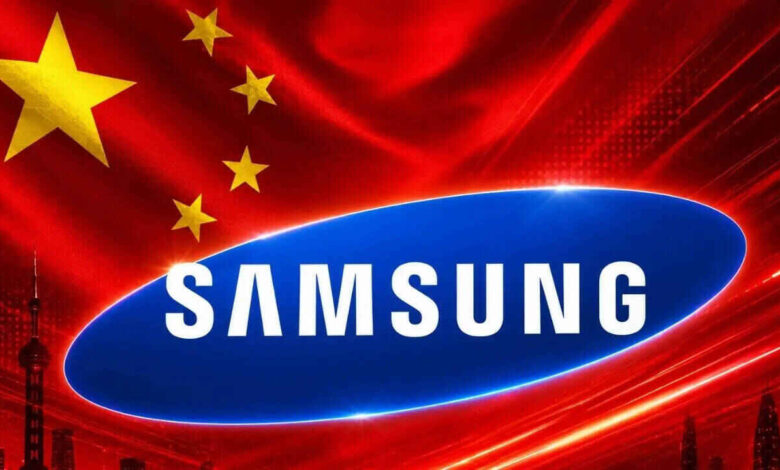
Samsung has announced a major change in its business strategy by deciding to stop selling televisions and home appliances in China. The move comes at a time when domestic Chinese brands are rapidly strengthening their position in the country’s consumer electronics market and creating intense competition for global companies.
According to reports, Samsung confirmed that changing market conditions and increasing pressure from local manufacturers pushed the company toward this decision. A notice published on Samsung’s official China website has also confirmed the development. Even though product sales are being discontinued, the company said existing customers in China will continue receiving regular customer support and after sales service without interruption.
The decision will affect several product categories in the Chinese market. Samsung is reportedly ending local sales of televisions, monitors, refrigerators, washing machines, dryers, air conditioners, vacuum cleaners and air purifiers. However, the company is not completely exiting the country. Samsung smartphones will continue to remain available in China, although that business has also become increasingly challenging over the years.
Samsung once held a strong position in China’s smartphone industry. During the early 2010s, the company controlled a significant share of the market. But competition from domestic smartphone makers and global rival Apple has gradually weakened Samsung’s presence. Reports suggest the company’s smartphone market share in China has now fallen to below one percent.


Chinese electronics brands have grown aggressively in recent years by offering feature rich products at competitive prices. Companies in China have also improved product quality and expanded innovation at a fast pace. Strong consumer loyalty toward domestic brands has further increased the pressure on international companies trying to maintain their position in the market.
Despite reducing its local consumer electronics operations, Samsung is expected to continue manufacturing activities in China. The country remains an important production hub for the company, especially for devices intended for international markets. This means Samsung’s industrial presence in China will not disappear completely even after the sales restructuring.
Industry experts believe the company is now shifting more attention toward sectors delivering stronger global growth. Samsung’s semiconductor business has become one of its biggest revenue drivers, especially with rising worldwide demand for artificial intelligence technology and high performance memory chips.
The company has reportedly seen impressive growth in its semiconductor division during the first quarter of 2026. Financial reports indicate that a large share of Samsung’s revenue came from chip related operations. Growing investments in AI infrastructure, data centers and advanced computing technologies are creating fresh opportunities for semiconductor manufacturers across the world.
Samsung’s latest move reflects how quickly the global electronics industry is changing. Companies are now forced to adapt their strategies depending on regional competition, manufacturing costs and changing consumer preferences. In China, local brands have managed to build strong trust among buyers by delivering advanced technology at affordable prices, making the market extremely difficult for foreign competitors.
For Samsung, stepping away from selected product categories in China may help the company focus resources on more profitable businesses and future technologies. While the decision marks the end of an important chapter in the Chinese consumer appliance market, Samsung appears determined to strengthen its leadership in semiconductors, artificial intelligence and premium technology solutions worldwide.