

Fatty Liver Disease Can Harm More Than Just the Liver, Doctors Warn
Health experts say fatty liver disease can silently affect the heart, kidneys, pancreas, and metabolism, making early lifestyle changes and regular medical checkups extremely important for long term health.
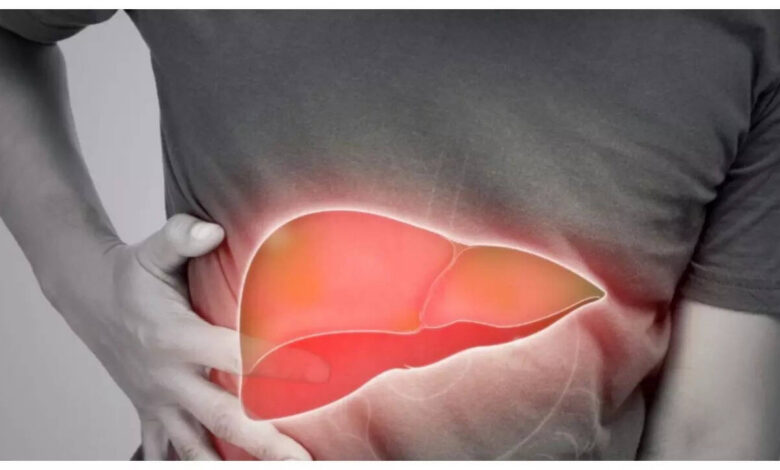
Fatty liver disease is no longer considered a minor health issue linked only to the liver. Doctors now warn that the condition can slowly affect several important organs in the body if left untreated for a long time. With unhealthy eating habits, stress, poor sleep, and lack of physical activity becoming common in modern lifestyles, cases of fatty liver are rising rapidly among both young and older adults.
Medical experts explain that fatty liver develops when excess fat begins to accumulate in liver cells. In the early stages, most people do not notice any major symptoms, which is why the condition often goes ignored for years. However, the liver plays a vital role in removing toxins from the body, supporting digestion, balancing energy, and managing several metabolic functions. When its performance starts declining, the effects can spread far beyond the liver itself.
According to health specialists, fatty liver disease can gradually increase the risk of high cholesterol, high blood pressure, insulin resistance, and Type 2 diabetes. As inflammation in the body rises, it can also place additional pressure on the heart and blood vessels. Doctors say this hidden inflammation is one of the major reasons why people with fatty liver may face greater cardiovascular risks later in life.
The pancreas can also be affected as the condition worsens. Since the pancreas is closely involved in blood sugar regulation, any disruption in its functioning may make diabetes management more difficult. In some cases, kidney health may also suffer over time, especially when fatty liver is combined with obesity, diabetes, or uncontrolled blood pressure.

Health professionals warn that advanced fatty liver disease can become dangerous if ignored for too long. Mild fat accumulation may eventually progress to liver inflammation, fibrosis, cirrhosis, and in severe cases, liver failure. Because symptoms often remain silent in the beginning, many patients only discover the problem during routine health checkups or ultrasound scans.
Doctors strongly recommend making lifestyle changes as early as possible to protect liver health. A balanced diet rich in fruits, vegetables, whole grains, and protein based foods can help reduce fat buildup in the liver. At the same time, experts advise limiting fried foods, sugary snacks, processed meals, refined flour products, and unhealthy fast food that place extra stress on the body.
Regular exercise is also considered one of the most effective ways to control fatty liver disease. Health experts recommend at least 30 minutes of physical activity daily to improve metabolism and maintain a healthy weight. Even simple habits such as walking, cycling, yoga, or light workouts can support liver function and reduce fat accumulation over time.
Doctors also stress the importance of proper sleep, staying hydrated, and avoiding smoking and alcohol consumption. Managing stress levels and controlling blood sugar and cholesterol are equally important for preventing further complications. People who experience ongoing fatigue, loss of appetite, or a feeling of heaviness in the abdomen are advised not to ignore these signs and should seek medical attention.
Regular medical testing remains one of the most important steps in identifying fatty liver early. Experts say liver function tests and ultrasound examinations can help detect the condition before serious complications develop. If diagnosed in time, many cases can be controlled successfully through healthier daily habits and proper medical guidance.
Healthcare professionals believe awareness is the biggest weapon against fatty liver disease. Since the condition often develops silently, many people underestimate its impact until major health problems begin appearing. Doctors say protecting the liver today can also help protect the heart, kidneys, pancreas, and overall long term health in the future.