

Processed Food Consumption Linked to Rising Health Risks Doctors Warn About Asthma and Long Term Diseases
Health experts explain how excessive intake of processed and packaged foods may harm immunity, affect lung health, and increase long term disease risks including asthma and other serious conditions in children and adults
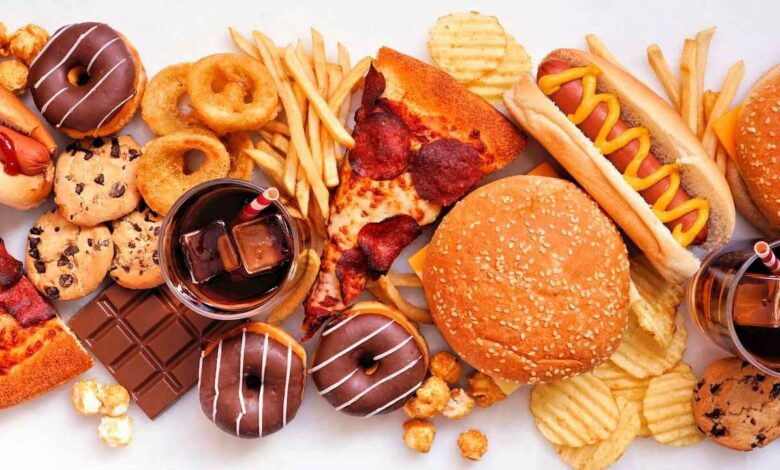
In recent years, eating habits have changed rapidly, especially among children and young adults. Foods like chips, burgers, pizza and instant noodles have become a regular part of daily diets. While these items are convenient and tasty, medical experts are increasingly concerned about their long term health impact.
Research findings suggest that children who frequently consume highly processed foods may face a higher risk of developing health issues such as asthma. Doctors explain that this is not just about one illness but a chain reaction inside the body caused by poor nutrition and chemical rich food intake.
One of the major concerns highlighted by researchers is the effect of ultra processed foods on gut health. These foods can disturb the natural balance of gut microbes, which play an important role in immunity. When this balance is affected, it may weaken the body’s defense system and increase inflammation, which can also influence lung health and raise asthma risk.
Experts also point out that these foods often contain high levels of preservatives, artificial flavors and additives. Regular consumption may lead to digestive problems, poor nutrient absorption and long term metabolic stress. In some studies, prolonged dependence on such diets has also been linked with an increased risk of chronic diseases, including certain cancers.


A major shift in children’s diet is being recommended by health professionals. Instead of relying on packaged snacks and fast food, they suggest including fresh fruits, vegetables, home cooked meals, pulses, milk and protein rich foods in daily nutrition. Whole grains and low sugar alternatives are also considered healthier choices for growing children.
Doctors strongly advise reducing junk food consumption as much as possible. They emphasize that early dietary habits play a key role in long term health, and small changes in daily food choices can significantly reduce future health risks.