
Fatty Liver Rising Among Young People Doctors Warn Not to Ignore Early Signs
Health experts say unhealthy eating habits are driving fatty liver cases in youth women and children with early detection and lifestyle changes playing a crucial role in prevention.
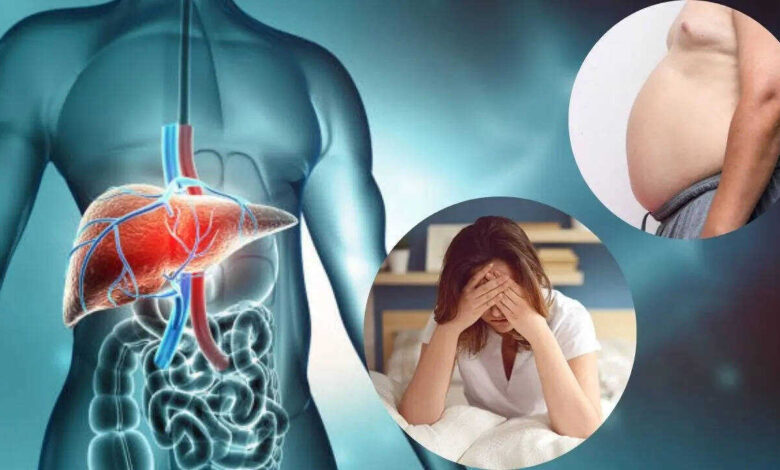
A condition once associated mainly with people in their forties and fifties is now increasingly being diagnosed in teenagers and young adults. Fatty liver disease is no longer limited to those who consume alcohol. Doctors report a steady rise in non alcoholic cases, particularly among youth, women and even children.
According to liver specialist Dr Ajay Kumar, daily dietary habits are a major factor behind this shift. Frequent consumption of processed foods made from refined flour, sugary drinks, sweets and deep fried snacks is placing enormous stress on the liver. When excess fat begins to accumulate in liver cells, it can gradually impair normal function.
Fatty liver develops when too much fat builds up in the liver over time. It may begin as a mild condition often referred to as Grade 1 fatty liver, but if ignored, it can progress to fibrosis and eventually cirrhosis, which is considered the most severe stage. In advanced cases such as cirrhosis, liver damage can become irreversible and may even require a transplant. While alcohol related fatty liver remains common among heavy drinkers, a growing number of patients are being diagnosed with non alcoholic fatty liver disease linked purely to lifestyle factors.
One of the biggest challenges with fatty liver is that symptoms often appear slowly. In the early stages, many people feel completely normal. As the condition progresses, warning signs may include persistent fatigue, mild pain or discomfort on the right side of the abdomen and unexplained weight gain. Doctors emphasize that these early symptoms should not be ignored. When detected in its initial phase, fatty liver can often be managed and even reversed through lifestyle changes.

Prevention remains the most effective strategy. Experts recommend adding more green vegetables and fresh fruits to daily meals while cutting back on sugar rich beverages and processed foods. Regular physical activity plays a critical role in reducing liver fat and maintaining overall metabolic health. Keeping body weight under control and monitoring blood sugar and triglyceride levels are also essential steps.
Health professionals stress that fatty liver is largely a lifestyle disease. With timely awareness, disciplined eating habits and routine exercise, the condition can be controlled before it turns into a serious and life threatening problem.