Holi 2026 Health Advisory Experts Warn Against Hazardous Synthetic Colours
As Holi approaches in early March, doctors caution that synthetic colours may trigger skin allergies, eye injuries and breathing troubles, urging families to choose natural alternatives and follow simple safety steps.
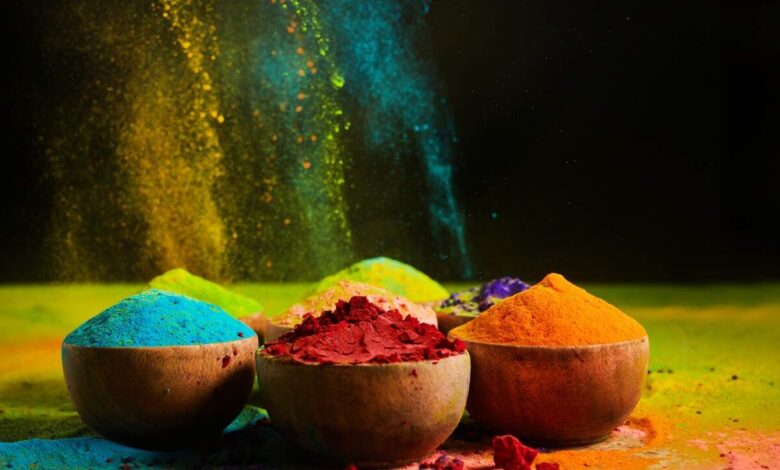
With Holi celebrations just days away, excitement is building across cities and villages alike. The festival, expected to be observed around March 3 or 4 in 2026 depending on regional traditions, is known for its vibrant colours and joyful gatherings. However, alongside the festive mood, health professionals are issuing a serious advisory about the hidden dangers linked to synthetic Holi powders.
Doctors say many commercially available colours contain industrial dyes, heavy metals and harmful chemicals. Substances such as lead, chromium and mercury are sometimes found in low cost powders sold in open markets. When these materials come into contact with the skin, they may cause irritation, rashes, itching and dry patches. People who already struggle with eczema or other skin conditions could see their symptoms worsen after exposure.
Eye specialists are also raising concerns. Fine colour particles can easily enter the eyes during celebrations, leading to redness, swelling and a burning sensation. In more severe cases, synthetic powders may result in corneal scratches, infections or temporary vision disturbances. Those who wear contact lenses are considered especially vulnerable, as particles can get trapped under the lenses and increase the risk of complications.
Respiratory health is another major worry. Dry gulal can be inhaled unknowingly, particularly in crowded outdoor gatherings. Medical experts warn that this may trigger asthma attacks, bronchitis, rhinitis and chest discomfort. Elderly individuals and people with pre existing breathing disorders are advised to take extra precautions and avoid areas with heavy powder use.

Beyond visible reactions, there are concerns about internal health effects. Inhaling or accidentally ingesting contaminated colour dust may strain the liver and kidneys. Pregnant women are advised to be cautious, as certain chemicals could pose mild to serious risks. Some industrial dyes have also been linked to long term health hazards when exposure is repeated.
Children, expectant mothers, individuals with asthma and those with sensitive skin are among the groups considered at higher risk during Holi festivities.
To ensure a safer celebration in 2026, experts recommend choosing natural or herbal colours made from ingredients such as turmeric or beetroot. These alternatives are generally gentler on the skin and less harmful to overall health. Applying oil or moisturizer to the skin and hair before stepping out can create a protective barrier. Wearing full sleeved clothing and protective eyewear may reduce direct exposure. Avoiding contact lenses for the day and washing off colours promptly with clean water are additional safety measures.
Health professionals emphasize that Holi is meant to spread happiness, not health troubles. With mindful choices and a few preventive steps, families can enjoy the festival’s spirit without putting their well being at risk.