Mint Side Effects Who Should Avoid It Health Experts Warn About Overconsumption Risks
Doctors explain that while mint is widely used for digestion and freshness in daily meals, excessive intake may lead to unexpected health issues in people with certain medical conditions
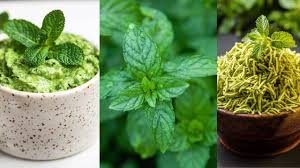
Mint is one of those ingredients that almost everyone associates with freshness and comfort. From chutneys to drinks and even curd based recipes, its cooling aroma is loved in many households. Most people believe it helps digestion and keeps the body cool, but health experts now caution that too much of even a beneficial herb can sometimes lead to unwanted effects.
Experts point out that mint contains menthol, which relaxes muscles in the digestive system. While this helps in relieving indigestion for some people, overconsumption can trigger acid reflux. In such cases, stomach acid may move upward, leading to heartburn and discomfort. Those already dealing with ulcers or chronic gas problems may experience worsening symptoms if mint is consumed in excess.
Interestingly, mint also has an effect on blood pressure levels. It is known to slightly lower blood pressure, which can be helpful for some individuals. However, for people who already have low blood pressure, frequent or excessive intake may lead to dizziness, fatigue or sudden weakness. Doctors advise caution especially for those already on blood pressure medication.
Another concern highlighted by specialists is its impact on skin and respiratory sensitivity. Menthol may not suit everyone’s body type. Direct application of mint oil on the skin can sometimes cause irritation, redness or itching. In some individuals, the strong aroma may also trigger sneezing or mild breathing discomfort, especially in those with asthma or respiratory conditions.

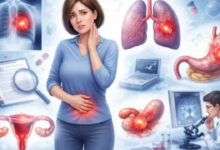
Pregnant and breastfeeding women are also advised to be careful with high consumption. While mint tea is sometimes used to ease nausea during pregnancy, traditional medical views suggest that excessive intake may influence uterine activity in rare cases. Some studies also indicate that overuse during breastfeeding could potentially affect milk production.
People with kidney related conditions should also stay alert. Health professionals warn that excessive use of mint supplements or oils may put additional strain on kidney function. Those with kidney stones or existing kidney disorders are strongly advised to consult a doctor before including concentrated forms of mint in their routine.
Despite these concerns, experts emphasize that mint is safe when used in moderation. Around 10 to 15 fresh leaves a day in food or drinks is generally considered harmless for most people. The key message from doctors is simple that natural does not always mean unlimited and balance is essential for good health.