Persistent Face Pimples May Be Linked to Lifestyle and Hormonal Imbalance
Dermatologists say recurring acne can result from stress hormonal changes junk food lack of sleep dehydration improper skincare and genetics urging early lifestyle correction to prevent scars
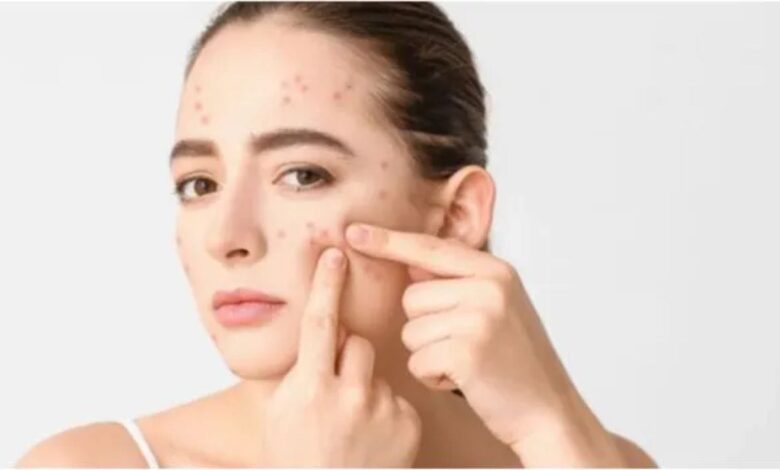
For many young adults and even working professionals, face pimples have become an all too common frustration. What often starts as an occasional breakout can slowly turn into a recurring issue that refuses to settle despite trying different creams and home remedies. Experts say the real reason may lie deeper than just surface level skin care.
Dermatologists point out that acne is rarely caused by a single factor. Hormonal fluctuations are one of the most common triggers. Breakouts tend to increase during menstrual cycles, pregnancy or periods of intense stress. When hormones fluctuate, oil production in the skin rises, clogging pores and leading to inflammation.
Modern lifestyle habits are adding fuel to the problem. Long work hours, late night screen exposure and irregular sleep patterns disturb the body’s natural balance. Add to that a diet rich in fried snacks, sugary treats and processed foods, and the skin begins to reflect the internal strain. Insufficient water intake further reduces the skin’s ability to flush out toxins, making it more prone to breakouts.
Another overlooked cause is improper skin hygiene. Frequently touching the face with unwashed hands transfers bacteria directly onto the skin. Failing to remove makeup completely before bedtime or using heavy creams on oily skin can block pores and worsen acne. Over cleansing can also irritate the skin barrier, triggering more oil production and additional pimples.


In some cases, genetics play a significant role. If acne runs in the family, individuals may be more prone to recurring breakouts despite following a basic skincare routine. However, experts stress that ignoring persistent acne can lead to long term consequences, including dark spots and permanent scarring. Over time, untreated acne can also affect self confidence and emotional well being.
Prevention often begins with simple daily changes. Washing the face gently with a mild cleanser twice a day helps remove excess oil and dirt without damaging the skin barrier. Choosing non comedogenic skincare products and ensuring makeup is fully removed before sleep are equally important steps.
Diet and hydration also matter. Including fresh fruits, leafy vegetables and balanced meals in daily nutrition can support overall skin health. Drinking three to four liters of water daily helps maintain hydration and assists natural detox processes. Regular exercise and stress management practices such as yoga or mindful breathing can further regulate hormones and improve circulation.
While occasional pimples are normal, frequent and stubborn breakouts should not be ignored. Identifying the root cause and making consistent lifestyle adjustments can significantly reduce flare ups and restore the skin’s natural glow over time.