Rising Risk of Multiple Medicines Use Experts Warn About Hidden Health Dangers
Doctors highlight growing concern over excessive medicine use especially in elderly patients where multiple drugs together may lead to serious side effects health complications and increased financial burden

In today’s healthcare system, the use of medicines has become unavoidable for many people, especially senior citizens. With age, health conditions naturally increase, and so does the dependence on multiple prescriptions. However, medical experts are now warning that taking too many medicines at once may create more harm than benefit if not properly monitored.
A recent year long study conducted by a medical college research team has revealed alarming findings. Around 64 percent of elderly participants were found to be at risk of drug related reactions. On average, senior citizens are consuming nearly 7.4 different medicines daily, and nearly one fourth of them take more than 10 tablets a day. Researchers found that 17.6 percent of these cases showed severe drug interactions that could become dangerous if ignored.
One of the major concerns is a condition known as polypharmacy, which refers to the use of multiple medications at the same time. Scientists say this issue is rapidly increasing among people above 60 years of age. The more medicines a person consumes, the higher the chance of harmful chemical interactions inside the body, sometimes leading to toxic effects.
Doctors also point out that certain drug combinations can be particularly risky. For example, using aspirin with clopidogrel may increase the risk of internal bleeding. In another case, insulin combined with beta blockers can hide warning signs of low blood sugar, which may push a patient into a coma without early symptoms. Similarly, combining potassium increasing drugs with inhibitors can raise potassium levels dangerously and directly affect heart function.

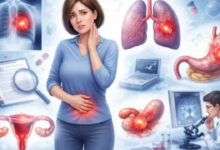
The impact of multiple medications is not limited to internal complications. Patients often experience dizziness, extreme fatigue, digestive problems and loss of balance, which increases the risk of falls and injuries. In some cases, side effects are misunderstood as new illnesses, leading to additional prescriptions and further complications.
Doctors strongly advise patients to always share their previous prescriptions before starting new medications. Avoiding unnecessary drugs and regularly reviewing ongoing treatments can significantly reduce risks. Medical professionals also stress that patients should never self adjust or combine medicines without proper guidance.
Adding to the concern, experts also warn that global conflicts and supply chain disruptions are slowly pushing medicine prices higher. Some essential drugs have already seen price hikes, increasing the financial pressure on patients and families. This makes rational and careful use of medicines even more important.
In the end, experts say awareness is the key. Medicines are meant to heal, but when used without caution or proper supervision, they can turn into a silent risk that affects both health and finances.