

AP High Court Pulls Up State Government Over Tribal Area Data Lapse
AP High Court criticises Andhra Pradesh government for failing to publish tribal area details online and orders immediate upload of 878 revenue villages list to protect constitutional rights of tribal communities.
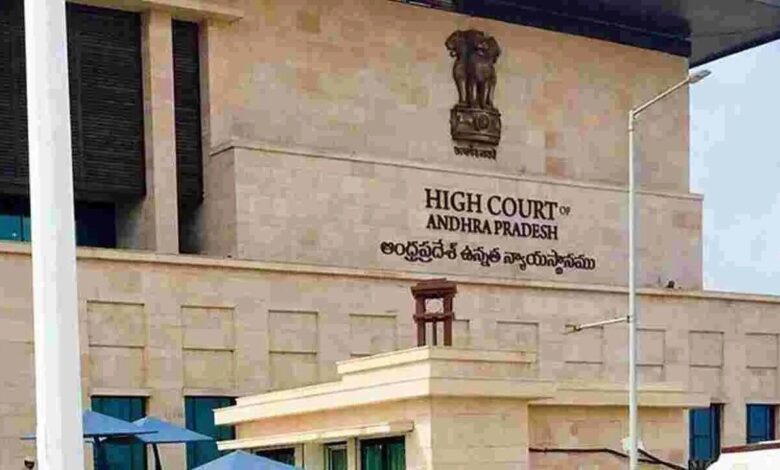
- AP High Court questions delay in tribal data publication.
- State told to upload 878 revenue villages details.
- Court seeks counter from government on negligence.
The AP High Court came down heavily on the Andhra Pradesh government for its failure to make crucial information related to tribal areas accessible to the public. The court expressed serious concern over what it described as administrative negligence affecting tribal communities across the state.
During the hearing, the court noted that details of 878 revenue villages falling under 595 gram panchayats in tribal regions were still not published on the official website. The judges questioned why such essential data, including village boundaries, had not been made available despite its importance for governance and welfare delivery.
The High Court directed the state government to immediately upload the complete list of these revenue villages with clear boundary details on the Tribal Welfare Department website. It also instructed the government to file a detailed counter affidavit explaining the delay and the steps taken so far. The matter has been posted for further hearing after six weeks.
The issue came before the court through a public interest litigation filed by Integrated Tribal Development Society president T Venkata Sivaram. He informed the court that although the Panchayat Raj and Rural Development Commissioner had already prepared the list, it was not officially published, causing serious difficulties for tribal youth and poor families.


According to the petitioner, the absence of clear and accessible information has deprived tribal communities of land rights, employment opportunities and welfare benefits guaranteed under the Constitution. He also alleged that non tribal individuals were exploiting the situation by encroaching on fertile lands in scheduled areas and engaging in illegal mining and money lending activities.
Taking note of these submissions, the AP High Court observed that lack of transparency regarding scheduled areas directly harms tribal interests. The court made it clear that publishing accurate and complete data is essential to protect tribal rights and ensure proper implementation of welfare schemes.
With firm directions now issued, the focus has shifted to how swiftly the state government complies with the AP High Court order and addresses the long standing concerns raised by tribal representatives.