
Apple Flags Older MacBook Air and iPad Models as Service Limited Devices
Apple updates its device lifecycle list placing older MacBook Air and iPad models into vintage and obsolete categories reducing repair support and raising caution for buyers considering older devices

Apple has revised its product support list once again, placing several older devices into categories that significantly limit or completely end official repair services. The update is part of the company’s standard lifecycle policy, but it has raised concerns for users and buyers still relying on aging Apple hardware.
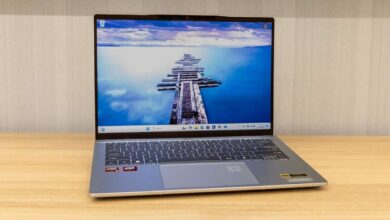
Among the devices affected, the MacBook Air 13 inch model from 2017 has now been classified as a vintage product. This means that while repairs may still be possible through Apple stores and authorized service providers, they will depend entirely on the availability of spare parts. In many cases, users may face delays or even be turned away if components are no longer in stock.
At the same time, Apple has moved the iPad mini 4 and the Apple TV HD 32GB variant into the obsolete category. This classification effectively ends all official hardware support. Once a device becomes obsolete, Apple and its authorized centers no longer provide repair services or replacement parts, leaving users with limited options outside third party repair shops.
The change is especially important for consumers planning to buy second hand Apple products. Devices marked as obsolete may still function, but any future hardware issue could become difficult or expensive to fix. Even those in the vintage category come with uncertainty, as support is no longer guaranteed.


Apple defines its categories based on how long a product has been discontinued. Devices that have not been sold for more than five years but less than seven years fall into the vintage group. Once that period crosses seven years, they are labeled obsolete and lose official service eligibility entirely.
The 2017 MacBook Air holds a special place in Apple’s lineup as one of the last models before the company introduced a redesigned version with a Retina display. Known for its lightweight build and reliable battery life, it remains popular among budget buyers. However, the new classification means its long term usability now depends heavily on remaining parts availability.
For iPad mini 4 users, the situation is more final. Launched in 2015 and discontinued a few years later, the device has now reached the end of its service life. Similarly, the Apple TV HD 32GB variant has also joined the obsolete list, marking the end of official support for that model.
Industry experts note that such updates are routine but serve as an important reminder about the lifespan of consumer electronics. As newer devices enter the market, older ones gradually lose both software updates and hardware support, impacting performance, security, and compatibility over time.
For users still holding on to these devices, careful usage and timely backups become essential. For potential buyers, the message is clear think twice before investing in older Apple hardware, especially when long term support and reliability are key considerations.