
NASA Takes iPhone to Deep Space with Artemis II Mission in Unusual Tech Move
Astronauts aboard Artemis II are using a consumer smartphone to capture personal photos and videos marking a rare shift in space missions blending advanced science with everyday technology tools
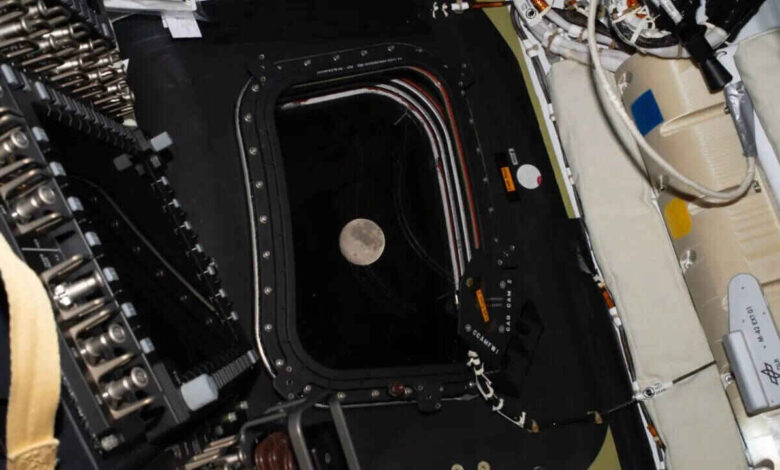
In a move that reflects changing trends in space exploration, NASA has included a consumer smartphone in its ambitious Artemis II mission. The device, identified as the iPhone 17 Pro Max, is being used by astronauts to document their journey in space, offering a more personal and relatable perspective of life beyond Earth.
Traditionally, space missions rely on highly specialized and rigorously tested equipment. However, this mission stands out as it marks the first time a widely used commercial smartphone has been approved for extended use in deep space conditions. The goal behind this decision is not to replace scientific tools, but to complement them by capturing human moments in a way that feels familiar to people back on Earth.
The Artemis II mission itself is a crucial step in NASA’s long term plan to return humans to the Moon. Astronauts will travel aboard the Orion spacecraft, orbit the Moon, and safely return to Earth. The mission is widely seen as a foundation for future lunar landings and deeper space exploration initiatives.
Despite its everyday identity, the iPhone onboard is far from being used like a typical smartphone. Engineers have restricted several features to ensure safety and reliability in space. Functions such as internet connectivity and Bluetooth have been disabled, effectively turning the device into a dedicated camera tool. It has also been securely mounted using specialized fixtures to prevent it from floating in microgravity.

Safety remains a top priority in space missions, and even a small malfunction can pose serious risks. In a zero gravity environment, any broken component such as glass fragments could drift through the cabin and endanger astronauts. This is why every piece of equipment, including the smartphone, undergoes extensive testing and certification before being cleared for use.
While the iPhone is drawing attention, it is not the only imaging device on board. Astronauts continue to rely on professional grade cameras such as the Nikon D5 and GoPro Hero 11 for scientific documentation and high precision recording. The smartphone serves as an additional tool, helping capture spontaneous and personal moments that traditional equipment might miss.
This is not the first time smartphones have made their way into space, but Artemis II represents a significant milestone. Earlier missions like Inspiration4 and even experiments during the Space Shuttle era included limited smartphone usage. However, this marks the first instance where a consumer device has been officially certified for use beyond low Earth orbit in a deep space mission.
By integrating familiar technology into a highly complex mission, NASA is bridging the gap between space exploration and everyday life. The images and videos captured through this device are expected to offer a more human view of space travel, bringing audiences closer to the experience of astronauts in ways never seen before.