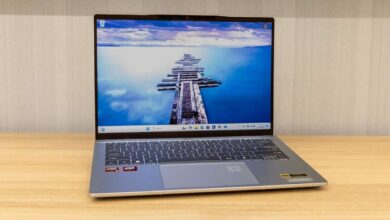

Windows Laptops Challenge MacBook Dominance With Massive Battery Life Gains in 2026
New generation Windows laptops are delivering over 40 hours of battery backup in 2026, creating tough competition for MacBooks with stronger performance, modern chipsets, improved efficiency and wider pricing options.
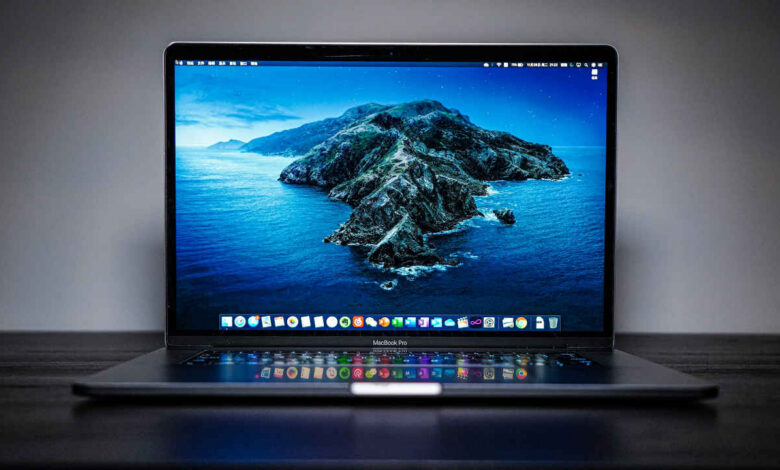
For years, Apple MacBook devices were considered the undisputed leaders when it came to laptop battery life. That image is now changing rapidly in 2026 as several premium Windows laptops are beginning to outperform MacBooks in endurance tests. Thanks to major improvements in chipset technology and power management, the competition between Windows laptops and MacBooks has become more balanced than ever before.
The biggest shift has come from new processors such as Snapdragon X Elite and Intel Panther Lake architecture. These modern chips are designed using highly efficient technology that delivers strong performance while consuming less power. A few years ago, many Windows laptops struggled to offer even 10 hours of battery backup, but several latest models are now crossing the 30 to 40 hour mark on a single charge. This has pushed Windows laptops into direct competition with Apple’s MacBook Air and MacBook Pro lineup.
Microsoft has also played an important role in this improvement. Recent Windows 11 updates have optimized background app management and reduced unnecessary battery drain. As a result, users are seeing smoother multitasking along with better standby performance. Industry experts believe this is one of the biggest improvements the Windows ecosystem has seen in the last decade.
Apple still remains a strong player in the premium laptop segment. MacBooks continue to attract professionals because of their polished design, reliable software experience and powerful Apple Silicon chips. Devices such as MacBook Air are popular among students and travelers, while MacBook Pro models are widely used by video editors, developers and creative professionals handling heavy workloads.


One of the biggest strengths of a MacBook is its ecosystem. Users who already own an iPhone or iPad often prefer MacBooks because features like AirDrop, Handoff and synchronized messaging create a seamless experience across devices. Apple laptops are also known for their premium aluminum build quality, high resolution Retina displays and industry leading trackpads.
Battery life remains a major reason why many users still choose MacBooks. Apple Silicon powered devices can comfortably deliver between 15 and 22 hours of backup depending on usage. Along with this, macOS is considered stable and secure, reducing the risk of viruses and unnecessary software issues. Another advantage is long term durability, as many MacBooks continue performing smoothly for several years.
However, MacBooks are not perfect for everyone. Their pricing remains significantly higher compared to most Windows laptops. Storage and RAM upgrades also increase the cost sharply. Gaming support on macOS is still limited, which makes Windows laptops the preferred option for gamers. In addition, most MacBook models offer fewer ports, forcing users to depend on adapters and dongles.
Windows laptops, on the other hand, provide far greater flexibility across every budget range. Buyers can choose from affordable entry level devices to high end gaming and workstation laptops. Brands such as ASUS, HP, Lenovo, Acer and Dell offer multiple configurations tailored for students, office users, gamers and professionals.
Gaming remains one area where Windows laptops clearly dominate. Technologies like DirectX 12 and access to a massive game library make Windows the first choice for serious gamers. High performance series such as ASUS ROG, Acer Predator and HP Omen continue to attract users looking for powerful graphics and smooth gameplay.
Professional software compatibility is another major advantage for Windows devices. Applications commonly used in engineering, architecture, accounting and business environments often work best on Windows. Software like AutoCAD, SolidWorks and Tally have wider compatibility and support on Microsoft’s platform.
Another benefit of Windows laptops is easier upgrades and repairs. In many models, users can increase RAM or storage later without replacing the entire machine. Spare parts and servicing are also more accessible in comparison to MacBooks. This flexibility makes Windows laptops practical for long term use.
Despite recent improvements, Windows laptops still face some challenges. Security risks remain higher because the platform is more commonly targeted by malware and cyber threats. Some manufacturers also preload unnecessary applications that can slow down the system experience. In addition, Windows updates occasionally interrupt work and may take longer to install.
The growing rivalry between Windows laptops and MacBooks has ultimately benefited consumers. Buyers are no longer choosing laptops based only on battery performance. Instead, the decision now depends on software preference, gaming needs, professional requirements and ecosystem compatibility.
Technology analysts believe 2026 could become a turning point in the laptop market. Windows manufacturers are now proving that long battery life is no longer exclusive to MacBooks. At the same time, Apple continues to maintain its reputation for premium experience and optimized performance. With both platforms evolving quickly, users now have stronger choices than ever before.