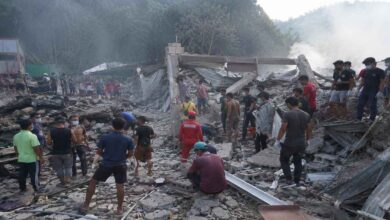

Israel Strikes Iran Nuclear Facility as Middle East Conflict Intensifies
Airstrikes on Iran nuclear site and attacks on Tehran and Beirut escalate tensions while global powers respond with military moves economic decisions and urgent calls for ceasefire amid rising casualties
- Israel strike on Iran nuclear facility raises global tension
- Middle East conflict escalates with attacks on Tehran and Beirut
- Iran nuclear attack triggers global calls for ceasefire
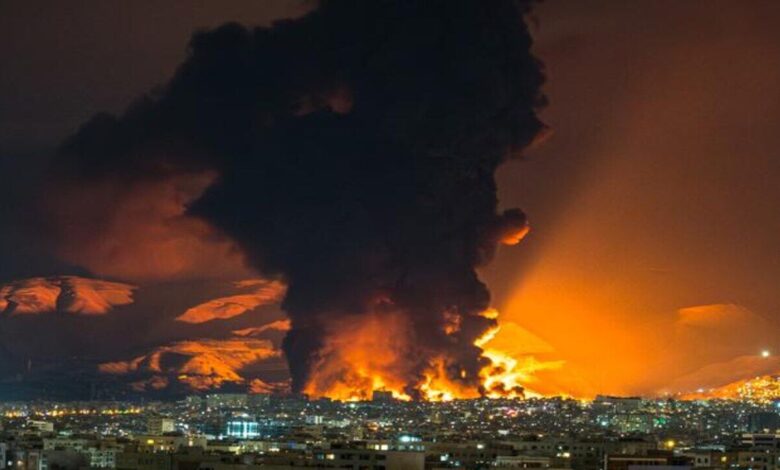
Tehran: Tensions in the Middle East have sharply escalated after a reported strike on Iran nuclear facility, with Iranian authorities confirming the incident while assuring there is no immediate nuclear risk. The development comes amid continuing airstrikes targeting key locations in Tehran and Beirut.
Local residents in Tehran reported intense aerial attacks early Saturday, describing a surge in explosions across the city. Iran strongly condemned the strikes and called for an immediate and permanent end to the conflict. Officials stressed that continued aggression would only worsen the humanitarian crisis in the region.
The conflict, which has been ongoing for nearly three weeks, has already resulted in significant casualties. Reports indicate that more than 2000 people have lost their lives, with over 1000 deaths recorded in Lebanon alone. The situation has also forced more than one million people to flee their homes, creating a large scale displacement crisis.
Israel stated that its operations are focused on targeting Hezbollah positions in Beirut. Its defense leadership warned that military actions could intensify further in the coming days, signaling the possibility of an even broader escalation.


Meanwhile, the United States has moved to increase its military presence in the region by deploying additional naval forces. At the same time, Washington announced a temporary easing of restrictions on Iran oil sales for 30 days, aiming to stabilize disrupted global energy markets.
The ongoing conflict has significantly affected global oil supply routes, especially through the Strait of Hormuz, where shipping disruptions have led to a sharp rise in crude oil prices. Several countries have urged Iran to ensure safe passage for international vessels and avoid targeting oil infrastructure.
A group of 22 nations has jointly called for restraint, warning that continued military actions could have severe global consequences. European leaders, including Germany and France, emphasized that ending the war must be the top priority before any further diplomatic steps can be taken.
Former US President Donald Trump claimed that key military objectives against Iran have largely been achieved, including limiting its military capabilities and preventing nuclear development. However, his statements have drawn attention as the United States continues both military deployments and funding requests related to the conflict.
As the situation remains volatile, global leaders continue to push for dialogue and de escalation, while uncertainty looms over the next phase of the conflict in the Middle East.