
Meta Layoffs Spark Debate Over AI Replacing Jobs
Meta’s recent layoffs have triggered online discussions after claims surfaced that employees helped build internal AI tools before job cuts, raising concerns about future workplace changes.
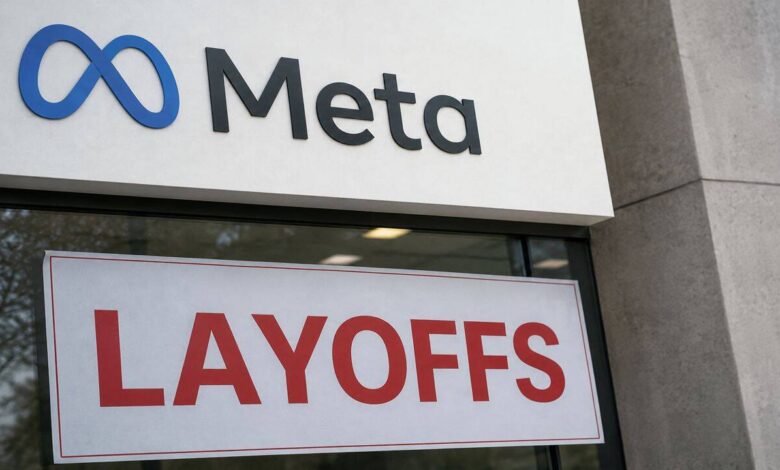
- Meta layoffs triggered fresh debate
- AI tools raised job concerns
- Meta employees shared experiences
Meta is facing fresh online discussion after claims emerged that some employees were involved in building internal artificial intelligence tools before losing their jobs in the company’s recent workforce cuts. The issue has sparked wider conversations about the future of white collar jobs in the AI era.
According to a viral social media post shared by a man named Julian, Meta had organized an internal event called AI Week several months ago. During that period, employees were reportedly encouraged to shift their focus away from routine work and concentrate on developing internal AI based tools for the company.
Julian said his wife was among the employees involved in the project. He claimed that selected tools later received additional development support and became a larger part of company operations. He also mentioned that his wife had worried these technologies might eventually replace the roles of employees who helped create them.
He said she spent several months working alongside senior engineers to build one of these AI systems. Later, during Meta’s latest round of layoffs, she reportedly lost her job. However, Meta has not officially confirmed claims that these internally developed AI tools directly replaced employees.


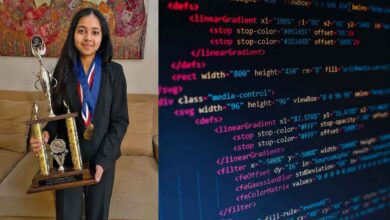
Meanwhile, another former Meta employee reacted differently to the layoffs. Asha Rawal, a San Francisco based product designer who joined the company in 2022, shared a video on social media after losing her job in the recent cuts. Instead of expressing disappointment, she said she felt relieved and free after leaving the company.
Both posts have gained significant attention online, with many users describing the situation as a sign of how rapidly artificial intelligence could reshape workplace roles in the coming years.