Balochistan Conflict Intensifies as Women Fighters Dominate Global Attention
Fresh clashes in Balochistan spotlight the rising role of women fighters as militant attacks challenge Pakistan Army positions and reshape the narrative of resistance across the volatile region.
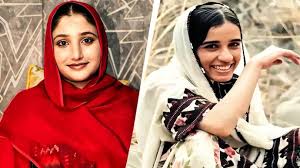
- Balochistan conflict draws global focus after fresh attacks.
- Pakistan Army faces renewed pressure on Gwadar front.
- Women fighters emerge as powerful symbols of resistance.
The conflict in Balochistan has taken a dramatic turn after intense fighting involving the Balochistan Liberation Army brought global attention to the region. Coordinated assaults under what the group described as Operation Hero targeted security forces near the Gwadar front, escalating tensions with the Pakistan Army.
What set these clashes apart was the prominent role played by two women fighters. Videos released by the group quickly spread across social media in Pakistan and India, showing the women speaking directly to the Baloch people during combat. Their presence and message challenged long held assumptions about the conflict and highlighted the expanding participation of women in armed resistance.
According to statements attributed to the group, the two women identified as Hawa Baloch and Asifa Mengal died after engaging Pakistani security personnel in close combat. Pakistani officials later acknowledged that women were involved in the attacks, an admission that added to the shock surrounding the incident.
In the circulated footage, one of the fighters urged the Baloch community to stand together and confront what she described as oppression. She claimed security forces were unwilling to advance, asserting that the morale of the resistance remained strong despite heavy pressure. The video ended with visuals indicating her death during the confrontation, intensifying emotional reactions online.


The fighting over the past several days has reportedly resulted in heavy casualties on both sides. Pakistani authorities claimed dozens of separatist fighters were killed across multiple operations, while the Baloch group disputed those figures and acknowledged significantly fewer losses among its ranks.
Background details shared by regional media suggest Hawa Baloch belonged to a younger generation shaped by years of unrest. Reports indicate her father, also linked to the movement, was killed by security forces in 2021, a factor believed to have influenced her path.
As the situation continues to unfold, analysts note that the symbolic impact of women fighters has added a new dimension to the Balochistan conflict. Beyond battlefield calculations, the episode has amplified debate on identity, resistance, and the evolving nature of militancy in the region.