

Dhaka Court Sentences Sheikh Hasina to Ten Years in Purbachal Case
A Dhaka special court delivered its verdict in the Purbachal plot corruption cases, sentencing former Bangladesh prime minister Sheikh Hasina and several family members, marking a major legal moment.
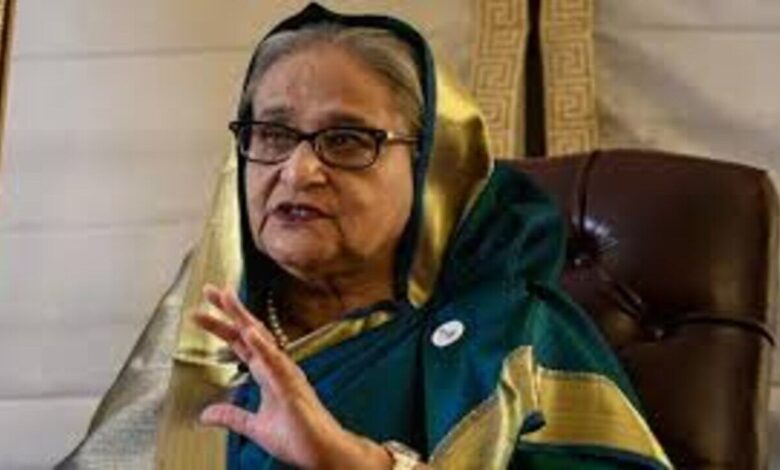
- Sheikh Hasina jail sentence shocks Bangladesh politics.
- Dhaka court verdict covers Purbachal corruption case.
- Family members also face prison terms.
A Dhaka special judge court on Monday pronounced a significant judgment in the long running Purbachal plot corruption cases, handing a ten year prison sentence to former Bangladesh prime minister Sheikh Hasina. The ruling has triggered fresh political debate across the country.
The verdict was delivered by Judge Mohammad Rabiul Alam of Special Judge Court Four in Dhaka. Along with Sheikh Hasina, the court also sentenced her niece and British Member of Parliament Tulip Siddiq to four years in prison. Other close relatives, including Azmina Siddiq and Radwan Mujib Siddiq Bobby, were awarded seven year sentences in one of the cases.
Court officials said the judgment was announced shortly after noon. The prosecution confirmed that several other accused individuals received varying prison terms. In addition to the main sentences, fines were imposed on multiple convicts, with additional jail time prescribed in case of non payment.
Legal records show that these convictions stem from two corruption cases linked to irregularities in the allocation of plots at the Purbachal development project. Investigations were carried out by the Anti Corruption Commission, which presented extensive evidence and witness testimonies during the trial.


This ruling adds to Sheikh Hasina’s legal troubles. In earlier corruption cases heard between late November and early December last year, courts had already handed her cumulative sentences amounting to twenty six years. Members of her family, including her children and sister, were also named in those cases.
According to court documents, nearly forty witnesses testified across the various trials. With the latest verdict, the legal spotlight on Bangladesh’s former leadership has intensified, reinforcing the growing impact of judicial scrutiny on the country’s political landscape.