

Srisailam Power Plant Shutdown as Low Water Levels Halt Electricity Generation
Srisailam reservoir water levels drop to critical stage forcing halt of hydropower generation raising concerns over electricity shortages as summer demand rises in Andhra Pradesh and Telangana.
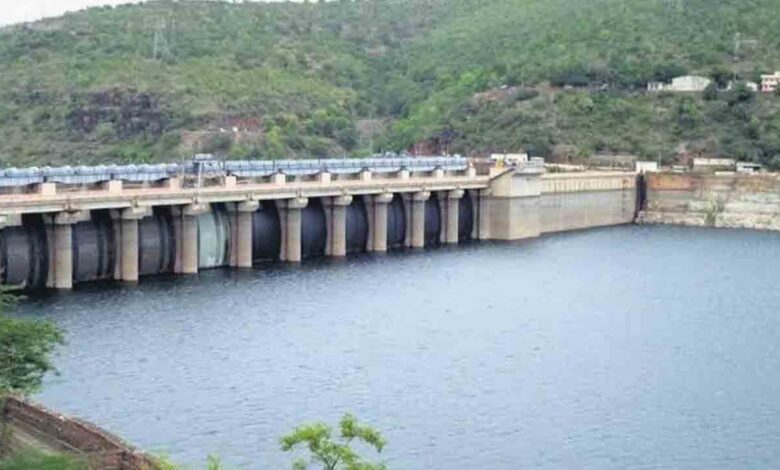
- Srisailam power plant shutdown due to low water levels
- Electricity generation halted in Andhra Pradesh and Telangana
- Power shortage fears rise amid summer demand
Electricity generation at the Srisailam power plant has come to a halt as water levels in the reservoir have dropped to critical levels, creating concern across Andhra Pradesh and Telangana. The situation comes at a time when power demand is rising sharply due to increasing summer heat.
Officials confirmed that water storage in the Srisailam reservoir has fallen close to dead storage levels, making hydropower generation technically unfeasible. At present, only about 44 TMC of water is available, forcing authorities to prioritize drinking water needs over electricity production.
Both the right bank and left bank hydropower stations have been shut down, bringing operations to a standstill. The lack of rainfall in recent months and minimal inflows from upstream sources have contributed to the sharp decline in water levels.
The development is significant as both states had recently recorded high levels of power generation from the project. Over the past ten months, Andhra Pradesh generated 2060 million units from the right bank station, while Telangana produced 2725 million units from the left bank, marking one of the highest outputs since state bifurcation.


With hydropower unavailable, pressure on the electricity grid is expected to increase. Authorities may now rely more on thermal power or purchase electricity from external sources, which could raise costs.
The situation has raised concerns among consumers about possible power shortages in the coming weeks. As temperatures rise and the use of cooling appliances increases, demand is expected to surge further.
Experts warn that if conditions do not improve, load management measures including power cuts may become necessary to balance supply and demand during peak summer.