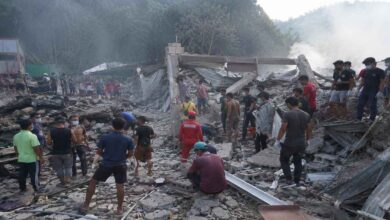

Explosion in Iran Kills 14 Revolutionary Guards During Bomb Disposal Operation
Fourteen Revolutionary Guards soldiers died in an explosion in Iran while clearing unexploded bombs after conflict highlighting ongoing risks from leftover explosives despite ceasefire and continued clearance operations in affected areas
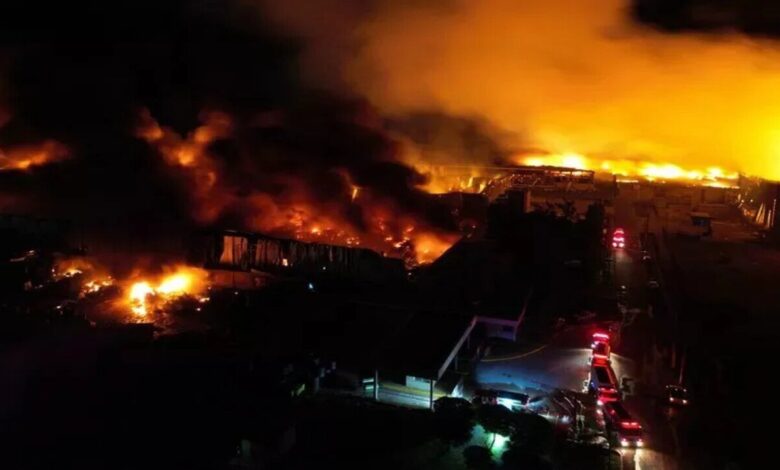
- Iran explosion kills 14 Revolutionary Guards during bomb disposal
- Revolutionary Guards soldiers died clearing unexploded bombs
- Iran explosion highlights danger after ceasefire
A deadly explosion in northwestern Iran has claimed the lives of 14 members of the Islamic Revolutionary Guard Corps, underlining the persistent dangers posed by unexploded ordnance even after active conflict has ended.
The incident occurred in Zanjan province when a bomb disposal unit was carrying out a clearance operation. The team was working to neutralize unexploded munitions left behind from recent military engagements when one of the devices detonated unexpectedly. Two other personnel were injured in the blast.
According to officials, the victims were part of a highly trained and experienced unit specializing in handling hazardous explosives. Their loss is being described as one of the most significant setbacks for the force since the ceasefire earlier this year.
The region has been dealing with the aftermath of intense hostilities that began following coordinated airstrikes involving the United States Armed Forces and Israel Defense Forces. Iran had responded with retaliatory actions before a ceasefire agreement came into effect in early April.


Despite the halt in active fighting, large quantities of unexploded bombs remain scattered across affected areas. Officials say thousands of such devices have already been identified and safely disposed of, but significant risks still remain.
Authorities revealed that vast stretches of land, including agricultural fields, continue to be unsafe due to these remnants. The latest explosion serves as a grim reminder that the impact of war extends far beyond the battlefield, posing long term threats to both security personnel and civilians.