International travel from India has taken a noticeable hit as the ongoing crisis in West Asia disrupts flight operations and increases travel costs. According to recent data, passenger movement to overseas destinations declined sharply in March, reflecting the growing impact of geopolitical tensions on the aviation sector.
The decline has been significant, with international passenger traffic falling by 18.5 percent compared to previous months. Overall aircraft movement on international routes also saw a drop of more than 21 percent, indicating a broader slowdown in global connectivity from India.
A major factor behind this disruption is the closure of airspace in several regions affected by tensions involving the United States Israel and Iran. As a result, airlines have been forced to reroute flights through longer paths, increasing both travel time and operational expenses. Key transit hubs such as Dubai and Qatar have also seen reduced connectivity, further affecting passenger flow.
Adding to the pressure, aviation fuel prices have surged by around 34 percent compared to last year. This sharp rise has significantly increased operational costs for airlines, making several long distance routes financially unviable.
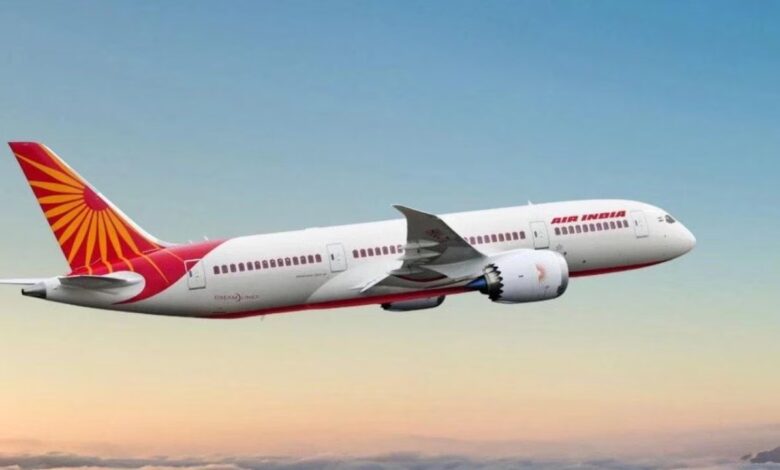
In response to these challenges, airlines including Air India have begun scaling back their international services. The airline has announced a reduction in long haul flights between May and July, citing rising costs and restricted air routes. Officials have acknowledged the inconvenience to passengers but stated that services will be restored once the situation stabilizes.
Passengers are already feeling the impact through higher ticket prices and limited flight availability. As uncertainty continues in West Asia, the aviation industry in India is expected to remain under pressure in the coming months.