
Fish Consumption Risks What You Should Know Before Eating It Experts Warn About Health Conditions
Experts explain that while fish is considered highly nutritious for heart and brain health, certain medical conditions and hidden risks can make it unsafe for some people if consumed without caution

Fish is widely known as a nutrient rich food and is often recommended in a balanced diet. It contains high quality protein and omega 3 fatty acids that support brain function and heart health. However, health experts also remind that not every healthy food suits everyone in the same way.
In certain conditions, fish consumption may actually worsen existing health problems. People dealing with high uric acid levels are often advised to limit or avoid fish. This is because fish contains purines, which can increase uric acid in the body and may trigger joint pain or gout related complications over time.
Allergic reactions are another concern. Some individuals experience skin irritation, rashes, or itching after eating fish. For those who already suffer from skin disorders, fish can sometimes intensify the symptoms and make the condition harder to manage.
There is also concern regarding mercury content, especially in some sea fish. Excess mercury intake can affect the nervous system and may be more risky for children and pregnant women. Doctors often suggest extra caution for expecting and breastfeeding mothers when choosing seafood.

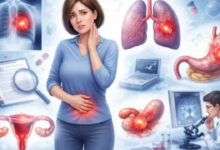
People with serious liver conditions may also find it difficult to digest fish properly, which is why medical advice becomes important before including it regularly in the diet. Even the method of cooking matters, as improperly cooked or stored fish can lead to food poisoning, adding another layer of risk.
Despite these concerns, fish remains a valuable food when consumed appropriately. Experts recommend choosing fresh fish, cooking it thoroughly, and preferring healthier methods like curries instead of deep frying. The key message from specialists is simple: fish can be beneficial, but only when matched carefully with individual health conditions.