

Fatty Liver Emerging as Silent Health Threat Beyond Just Liver Damage
Doctors warn fatty liver disease can quietly damage multiple organs including the heart, kidneys and pancreas if lifestyle changes and early treatment are ignored for long periods.
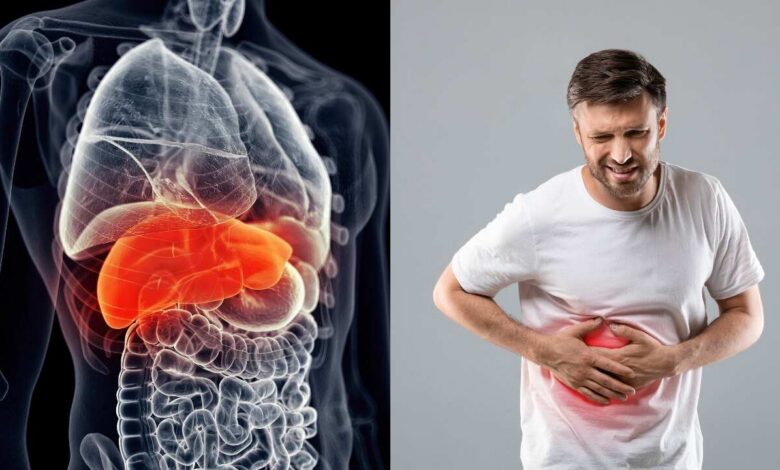
Fatty liver disease is rapidly becoming one of the most common health concerns in recent years, yet many people continue to ignore it because the condition often develops silently in its early stages. Medical experts say the disease may appear harmless at first, but untreated fatty liver can gradually affect several vital organs and lead to serious long term complications.
The liver plays a major role in maintaining overall body function. It helps remove toxins, supports digestion, regulates metabolism and balances energy levels. When excess fat starts building up inside the liver, its normal functioning begins to slow down. Doctors explain that this condition is known as fatty liver disease, and if left untreated, it can trigger health problems far beyond the liver itself.
Health specialists warn that fatty liver disease is closely linked to modern lifestyle habits such as unhealthy eating, lack of physical activity, obesity and excessive consumption of processed foods. Since the condition often shows no visible symptoms in the beginning, many patients only discover it during routine medical tests or scans.
Medical professionals say one of the biggest dangers of fatty liver disease is its impact on other organs. Experts note that the condition can increase the risk of heart disease, high blood pressure and poor blood circulation. Inflammation caused by liver dysfunction may gradually affect blood vessels and place additional stress on the cardiovascular system.


The kidneys can also suffer when fatty liver disease becomes severe. Doctors explain that poor liver health may affect the body’s ability to maintain proper fluid and toxin balance, eventually placing pressure on kidney function. In some cases, kidney performance may decline over time if the condition remains uncontrolled.
Another organ that can be affected is the pancreas, which plays an important role in blood sugar regulation. Fatty liver disease is strongly associated with insulin resistance and type 2 diabetes. When the pancreas struggles to manage blood sugar efficiently, the risk of diabetes related complications increases significantly.
Experts also caution that advanced fatty liver disease can lead to dangerous liver conditions including inflammation, fibrosis and cirrhosis. In severe cases, liver failure may occur, requiring long term treatment or even organ transplantation. This is why doctors repeatedly stress the importance of early detection and lifestyle correction.
One major challenge is that many people do not experience noticeable symptoms during the early stages. Some patients may occasionally feel tiredness, heaviness in the abdomen or unexplained weakness, but these signs are often ignored or mistaken for routine fatigue. By the time stronger symptoms appear, the damage may already be progressing.
Doctors believe prevention remains the most effective approach against fatty liver disease. Maintaining a healthy diet rich in fruits, vegetables, whole grains and protein can help reduce fat accumulation in the liver. Cutting down on oily foods, sugary drinks, processed snacks and junk food is equally important.
Regular exercise is also considered essential for protecting liver health. Health experts recommend at least 30 minutes of physical activity every day to improve metabolism and support weight management. Staying physically active helps the body burn excess fat more efficiently and reduces the chances of fat buildup in the liver.
Hydration and healthy daily habits also play an important role. Drinking enough water, maintaining proper sleep and avoiding smoking or alcohol consumption can help improve liver function over time. Doctors particularly advise people with obesity, diabetes or high cholesterol to undergo regular health checkups since they are more vulnerable to fatty liver disease.
Medical experts say awareness is the first step toward prevention. Many people still consider fatty liver a minor issue, but healthcare professionals insist it should never be ignored. As lifestyle related diseases continue to rise, early diagnosis and healthy living may be the key to protecting not only the liver but the entire body from serious health complications.