
Meta Smart Glasses Bring Gesture Typing and AI Features to Everyday Communication
Meta has introduced advanced AI powered updates for its smart glasses, allowing users to type messages with hand gestures and access communication tools without using smartphones or keyboards.
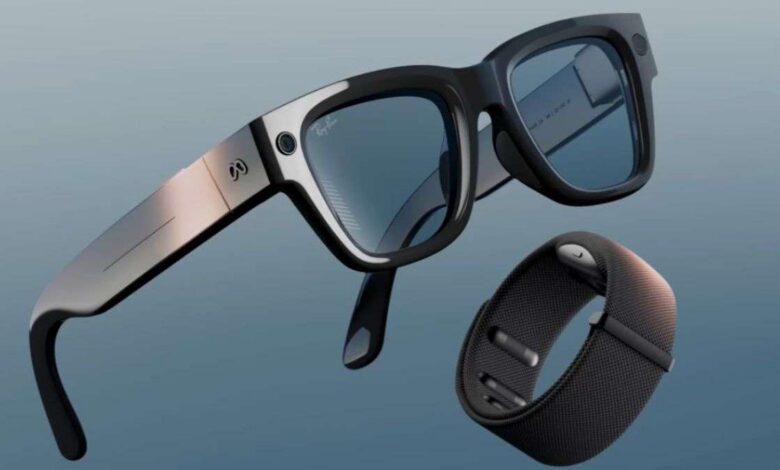
Meta is pushing wearable technology closer to the future with a fresh set of updates for its smart glasses platform. The company has now introduced new AI driven communication features that allow users to type messages by simply moving their fingers in the air. The futuristic feature, known as neural handwriting, is designed to remove the need for physical keyboards and even reduce dependence on smartphones during everyday communication.
The technology works through a neural wristband that tracks hand and finger movements with high precision. Instead of touching a screen or pressing keys, users can perform subtle gestures in the air and the system interprets them as typing input. Meta says the feature is aimed at creating a faster and more natural way of interacting with devices while on the move.
The latest software update expands support for communication apps including WhatsApp, Messenger and Instagram Direct. Users can also interact with default messaging applications available on Android and iOS devices. This means messages can now be written and sent directly through the smart glasses experience without needing to pull out a phone from the pocket.
Meta is not limiting its focus to typing alone. The company is also introducing display recording capabilities that allow users to capture what they see through the glasses along with real world surroundings and ambient sound in a single recording. This feature is expected to make content creation more immersive for social media users and creators who prefer hands free recording.


The company appears determined to make smart glasses feel more useful in daily life rather than just futuristic gadgets. Along with gesture based controls, Meta has improved navigation support for pedestrians in several major cities including London, Paris and Rome. The smart glasses can now offer better walking directions and location guidance in supported regions.
Live caption support has also received a major upgrade. During voice conversations on messaging apps, the glasses can now generate real time captions, making conversations easier to follow in noisy surroundings or for users who prefer visual text support. The feature highlights Meta’s broader push toward AI assisted accessibility tools.
Since launch, Meta has reportedly rolled out multiple major software updates for the smart glasses platform. The company has continued adding practical features such as weather widgets, stock updates, calendar integration and reminders. Users can also access Spotify more quickly and even interact with Instagram Reels directly through the wearable interface.
Beyond consumer features, Meta is now opening the platform to developers through a dedicated preview program. Developers can build lightweight web based applications for the glasses using technologies such as HTML, CSS and JavaScript. These apps can reportedly be deployed through direct URLs, making development and testing more accessible.
The company is also introducing a Wearables Device Access Toolkit that allows developers to adapt existing mobile applications for smart glasses displays. According to Meta, developers will be able to integrate interface elements including text, images, lists, buttons and video playback into wearable experiences.
Industry experts believe Meta is trying to position its smart glasses as more than just a companion accessory. The company appears focused on creating a complete wearable ecosystem powered by artificial intelligence, communication tools and lightweight applications. The addition of gesture typing could become one of the most talked about features if it performs smoothly in real world use.
While the idea of typing in the air may still sound unusual to many users, wearable technology is rapidly evolving beyond traditional screens and keyboards. Meta’s latest updates suggest that the company sees smart glasses as a serious part of the future of computing and digital communication.