

QR Code Scams in Restaurants Raise Privacy Concerns Among Smartphone Users
Cyber experts warn restaurant customers to stay cautious while scanning QR codes for digital menus as personal information and banking details could unknowingly fall into the wrong hands.
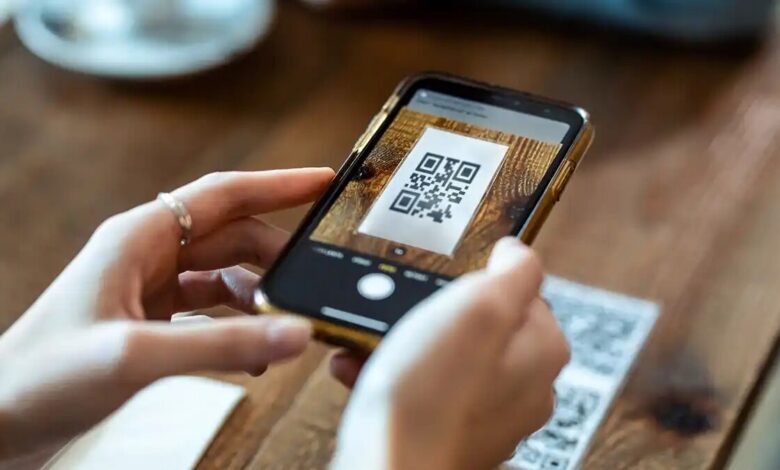
Digital menus have become common in restaurants and cafes across India, offering customers a quick and contactless way to browse food items through QR codes. While the system appears convenient and modern, a recent incident has sparked serious concerns about customer privacy and digital safety. Cybersecurity experts are now warning users to stay alert before scanning QR codes in public places.
The issue gained attention after a woman in Pune reportedly faced harassment following a visit to a restaurant where she scanned a QR code to access the menu. According to reports, her mobile number somehow reached members of the restaurant staff, after which she began receiving repeated calls and inappropriate messages from unknown numbers. The incident quickly spread across social media, with many users questioning how safe QR based menu systems actually are.
Experts say most people scan QR codes without checking where the link leads or what permissions are being requested. In many cases, customers are asked to enter personal details such as mobile numbers, email addresses or login information before accessing menus or promotional offers. If such information is not securely handled, it can easily be misused or leaked.
Cybersecurity professionals believe third party platforms are one of the biggest concerns behind these risks. Many restaurants do not operate their own digital menu systems and instead rely on external service providers. During the scanning process, these platforms may collect device details, location information and contact data from users. If the data protection standards are weak, sensitive information can end up in the wrong hands.


Another growing threat involves fake QR codes placed over genuine ones. Fraudsters sometimes paste duplicate stickers on restaurant tables, payment counters or walls. Once scanned, these fake codes redirect users to fraudulent websites designed to steal banking details, passwords or personal information. In some cases, users are even tricked into downloading harmful applications on their smartphones.
Cyber experts also point out that public Wi Fi networks can make the situation more dangerous. Many people connect to free restaurant Wi Fi while simultaneously scanning QR codes or making digital payments. Open public networks are often less secure, increasing the risk of data theft or hacking attempts. Users are advised to avoid entering sensitive information while connected to unsecured internet connections.
The rise of QR code scams has highlighted how easily convenience can become a security risk if users are not careful. What appears to be a simple digital menu can sometimes become an entry point for data misuse or cyber fraud. Security analysts say users should always verify whether a QR code looks official before scanning it. If the sticker appears damaged, tampered with or suspiciously placed over another code, it should be avoided immediately.
Experts also recommend avoiding unnecessary logins while accessing restaurant menus. In many situations, viewing a menu does not require sharing a mobile number or email address. Customers should think carefully before providing personal information, especially on unfamiliar websites. If a page repeatedly asks for permissions or redirects to unrelated links, it is safer to close the website immediately.
The growing use of QR technology in daily life has made people more dependent on digital interactions, from restaurant menus to payments and ticket bookings. However, awareness around digital safety still remains low among many smartphone users. Cybersecurity specialists believe public awareness campaigns are now necessary to educate users about common online scams connected to QR codes.
Restaurant owners are also being encouraged to regularly monitor their QR displays and ensure customer data remains protected. Businesses that fail to secure digital systems risk damaging customer trust and facing serious backlash if privacy breaches occur. As QR based services continue to expand, both companies and users may need to adopt stricter safety practices to avoid becoming victims of online fraud.