
WHO Declares Global Health Emergency Over Ebola Outbreak
The World Health Organization has declared a global health emergency after Ebola cases rapidly increased in Congo and Uganda, with rising deaths linked to the rare Bundibugyo virus variant.
- WHO declares Ebola health emergency
- Congo and Uganda report Ebola deaths
- Bundibugyo Ebola variant raises global concern
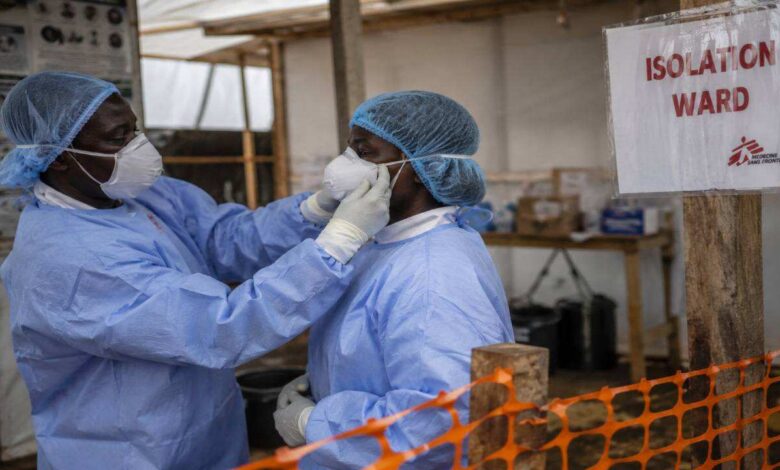
The World Health Organization has announced an international public health emergency following the rapid spread of Ebola in parts of Africa, particularly in Uganda and Democratic Republic of the Congo. Health officials confirmed that the outbreak has already resulted in dozens of deaths and hundreds of suspected infections, creating concern among global health agencies.
According to WHO Director General Tedros Adhanom Ghebreyesus, more than 300 suspected cases have been identified so far, while 88 people have reportedly died due to the virus. Authorities are closely monitoring the situation as the infection continues spreading in affected regions.
Health experts identified the current outbreak as being linked to the rare Bundibugyo strain of the Ebola virus. Officials said this particular variant remains a major challenge because no approved vaccines or specific treatments are currently available for it. The strain had previously appeared in Uganda between 2007 and 2008, causing multiple fatalities at the time.
The same variant surfaced again in Congo in 2012, where several people lost their lives during another outbreak. Medical experts now fear that the return of the rare strain could complicate ongoing efforts to control infections in vulnerable areas.


Despite the rising cases, the WHO clarified that the present situation is not comparable to the COVID 19 pandemic. The organization also advised countries against shutting down international borders, stating that restrictions could disrupt essential health and humanitarian support operations.
Global health teams are now working with local authorities in affected nations to strengthen surveillance, improve medical response systems, and prevent the virus from spreading further across neighboring regions.