

Trusted Journalism Becomes More Important in AI Era Says HT Digital CEO Puneet Jain
Media leaders warn that rapidly growing AI generated content may weaken public trust online, making reliable journalism, fact checking, and accountable publishing more valuable than ever before worldwide.
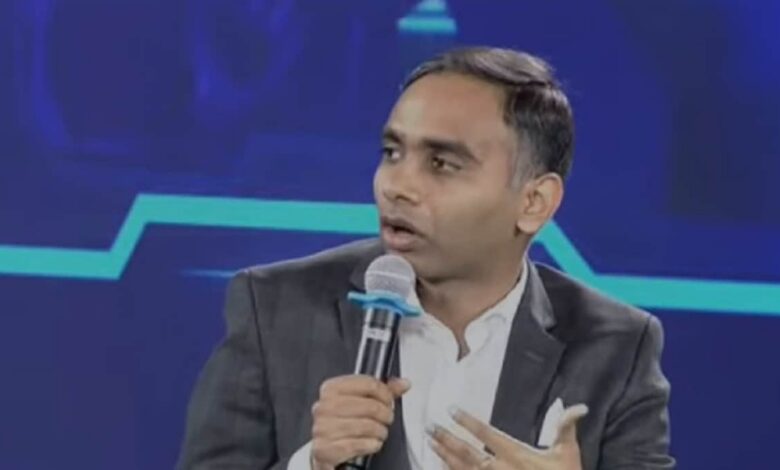
As artificial intelligence continues to transform the internet, concerns are growing over how people can identify trustworthy information online. Media industry leaders believe that while AI has made content creation faster and easier, it has also increased the risk of misinformation, confusion, and declining public trust.
During a panel discussion titled The Future of Discovery Why Publishers Matter More in the Age of AI at the 15th MMA IMPACT India 2026 event, HT Digital CEO Puneet Jain and Inshorts and Public App CEO Deepit Purkayastha shared their concerns about the changing digital landscape. Both executives highlighted how AI generated content is rapidly reshaping online platforms and user behavior.
Puneet Jain explained that internet users traditionally trusted digital content because they believed a responsible journalist, editor, or media organization stood behind the information. According to him, that confidence is now under pressure as synthetic content created by AI tools floods the internet in massive volumes within seconds.
He pointed out that in several online categories, more than half of the indexed content is already synthetic. However, he stressed that the real danger is not simply the quantity of AI generated material but the effect it has on public trust. When readers begin doubting the authenticity of one piece of content, that skepticism can eventually spread across the entire digital media ecosystem.


Deepit Purkayastha also raised concerns about how social media platforms are influencing public opinion. He said AI powered content systems often create environments where users repeatedly see information that supports their existing beliefs. This can strengthen echo chambers where people are exposed only to viewpoints they already agree with, limiting balanced understanding and healthy discussion.
According to the panelists, the line between truth and misinformation is becoming increasingly blurred online. As AI tools become more advanced, distinguishing genuine reporting from manipulated or misleading content is becoming harder for ordinary users. This growing uncertainty is slowly weakening the trust people once had in internet based information.
Jain emphasized that AI systems themselves do not create trust independently. He explained that the confidence users feel while interacting with AI generated answers actually comes from years of credible journalism, research, and reporting produced by reliable publishers and media organizations. In his view, AI models are heavily dependent on trusted human created knowledge built over decades.
The discussion also explored whether AI could eventually replace journalists. Responding to this concern, Puneet Jain clarified that AI at Hindustan Times is not being used to replace newsroom professionals. Instead, the company is focusing on using AI tools to improve editorial workflows, strengthen user experiences, and create more effective advertising solutions.
Fact checking emerged as one of the key themes during the conversation. Deepit Purkayastha said his companies prefer working only with creators and platforms that maintain strong credibility standards and proper verification systems. He stated that trust is not an area where compromises can be made, especially in an era where false or manipulated information can spread rapidly.
The panelists also warned brands and advertisers about the risks associated with synthetic content. Jain encouraged marketers to think carefully about where their advertisements appear and whether audiences are genuinely engaging with trusted content or merely generating clicks through AI driven material. He added that companies should focus not only on short term traffic but also on building long term brand value.
Deepit Purkayastha further noted that many existing brand safety systems were designed for an earlier digital environment and are no longer fully equipped to deal with modern AI generated ecosystems. He believes companies must quickly update these systems to address the growing influence of synthetic media and automated content creation.
Experts at the event agreed that protecting public trust may become one of the internet’s biggest challenges in the coming years. If confidence in online information continues to decline, the impact could extend beyond journalism and affect the broader digital economy, advertising industry, and online communication platforms as well.