

Afraid of Flying? Experts Say These Simple Techniques Can Make Air Travel Easier
Fear of flying often comes from physical stress responses rather than logic and experts suggest practical techniques that can help travelers stay calm confident and comfortable.
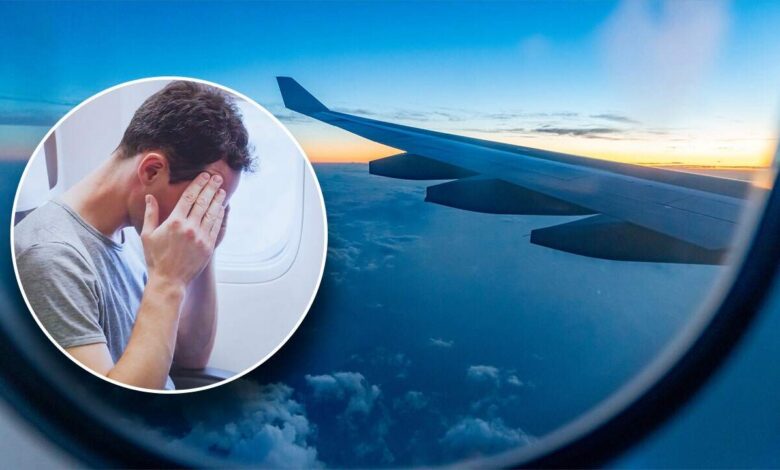
For many people, boarding a flight is far from exciting. While some passengers relax, watch movies or even sleep through turbulence, others spend the journey gripping their armrests and counting the minutes until landing. Even when travelers know that air travel is one of the safest forms of transportation, anxiety can still take over the moment the aircraft doors close.
Mental health experts say that fear of flying is often misunderstood. Contrary to popular belief, it is not always driven by irrational thoughts. In many cases, the body reacts to unfamiliar sensations such as turbulence, engine noises, changes in air pressure and the feeling of having little control over the situation. These physical sensations can trigger the nervous system and create intense feelings of fear, even when there is no actual danger.
One of the most effective ways to manage flight anxiety begins before panic has a chance to build. Specialists recommend preparing the body for calmness rather than waiting for fear to reach its peak. A simple breathing technique known as extended exhale breathing has been found to be especially helpful. The idea is straightforward. Spend more time exhaling than inhaling. This pattern signals the nervous system to shift into a more relaxed state and can reduce feelings of stress and tension during the flight.
Experts also advise travelers not to fight every physical symptom of anxiety. A racing heart, sweaty palms or a sense of restlessness can feel alarming, but these reactions are often caused by adrenaline. Instead of viewing them as signs of danger, passengers can remind themselves that these sensations are temporary and will naturally fade with time.


Trying to force anxiety away may sometimes make it feel stronger. Mental health professionals suggest acknowledging the body’s reaction without judging it. Recognizing that the discomfort is part of a natural stress response can help reduce its emotional impact and prevent panic from escalating.
Another useful strategy involves engaging the senses. Travelers who experience nervousness during flights may benefit from carrying familiar items that provide comfort. A favorite playlist, a pleasant scent or a small object with a comforting texture can help redirect attention away from anxious thoughts and create a greater sense of stability during the journey.
Experts explain that the brain learns from experience. When a person completes a flight while feeling afraid, the brain may mistakenly interpret the event as surviving a dangerous situation. Over time, this can reinforce the fear. Instead, travelers are encouraged to consciously recognize the outcome after landing.
Reflecting on the fact that the journey ended safely can help retrain the brain’s perception of air travel. Repeating this process after each successful flight gradually builds confidence and teaches the nervous system that flying is not a threat.
Therapists also point out that overcoming flight anxiety is rarely about eliminating fear completely. The goal is learning how to remain comfortable even when some nervousness is present. With regular practice, self regulation techniques and professional support when needed, many people find that their fear becomes far less overwhelming.
As air travel continues to connect people across the world, experts encourage anxious passengers not to let fear limit their experiences. Understanding how the body responds to stress, practicing calming techniques and focusing on successful journeys can transform flying from a stressful ordeal into a manageable and even enjoyable experience.
For those who have spent years dreading every flight, small changes in mindset and preparation may be enough to make the next trip feel very different. Sometimes the key to enjoying the journey begins long before the plane leaves the ground.