
Ayurvedic Benefits of the Leaf of Life Plant for Immunity, Digestion, and Skin Health
Known as Leaf of Life or Bryophyllum this resilient plant is widely used in Ayurveda for kidney stones immunity skin issues and digestive health experts advise medical consultation before use.
As interest in natural remedies continues to grow, one traditional plant is drawing renewed attention for its remarkable resilience and long list of claimed health benefits. Popularly known as the Leaf of Life, this succulent plant is referred to as Ranapala in many regions and Bryophyllum in scientific terms.
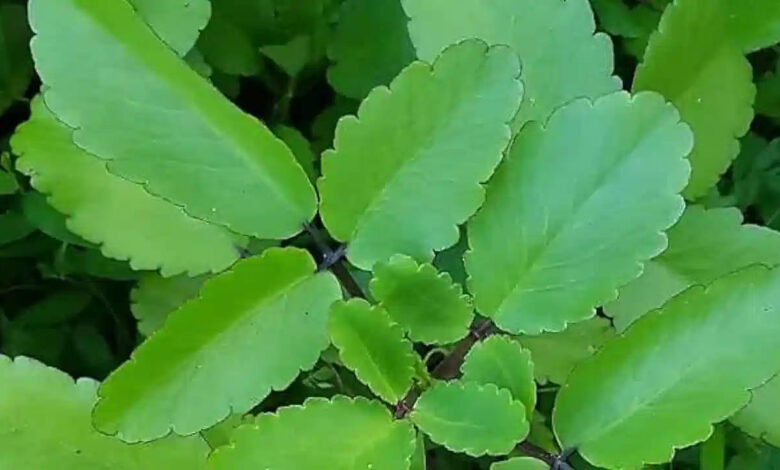
The plant is easy to recognize and even easier to grow. Its thick fleshy leaves can sprout new plantlets directly from their edges, a rare feature that gives it the name Bryophyllum, meaning a leaf that generates life. Even without regular watering for up to two weeks, the plant survives by storing moisture in its leaves. It is also known by names such as Cathedral Bells and Kalanchoe pinnata in different parts of the world.
Ayurvedic practitioners describe Ranapala as a powerful herbal ally for overall wellness. Traditionally, it has been used to support the body in managing a wide range of conditions, from minor aches to chronic concerns. Because of this versatility, it is often referred to as a single plant with multiple healing properties.
One of its most talked about uses is in supporting kidney health. Herbal experts say that consuming a decoction made from the leaves may help in managing kidney stones and urinary blockages. The plant is also applied externally. Crushed leaves are used as a paste over wounds, boils or heat rashes, with claims that it may speed up healing.


In digestive health, fresh leaf juice is traditionally consumed to help manage gastric ulcers and improve gut comfort. Some believe it also aids in blood purification and may help reduce excess cholesterol, thereby supporting smoother blood circulation.
The plant is also valued for its potential anti inflammatory, anti allergic and antibacterial qualities. Traditional use includes relief from joint pain, headaches, neck stiffness, skin disorders and minor infections. In many homes, elders recommend chewing the leaf with a pinch of salt, saying it supports detoxification and general vitality.
Supporters of the herb claim it strengthens immunity and helps the body respond better to seasonal illnesses. It has also been associated with managing blood pressure and blood sugar levels, though such uses require careful monitoring.
What makes Ranapala even more appealing is how easily it can be cultivated at home. It adapts to various soil types and requires minimal care, making it a practical addition to kitchen gardens.
However, health experts caution that while traditional knowledge highlights many benefits, scientific validation for all claims is still evolving. Individuals with existing medical conditions should consult a qualified medical or Ayurvedic practitioner before using the plant regularly.
As more people turn toward plant based wellness solutions, the Leaf of Life stands out not only for its survival instinct but also for the generations of belief placed in its healing potential.