

Cotton Farmers Get Relief as Centre Introduces MSP Gap Support Scheme
Cotton farmers receive major relief as Centre launches MSP gap support scheme under PM AASHA ensuring price difference is credited directly to farmers accounts through DBT system.
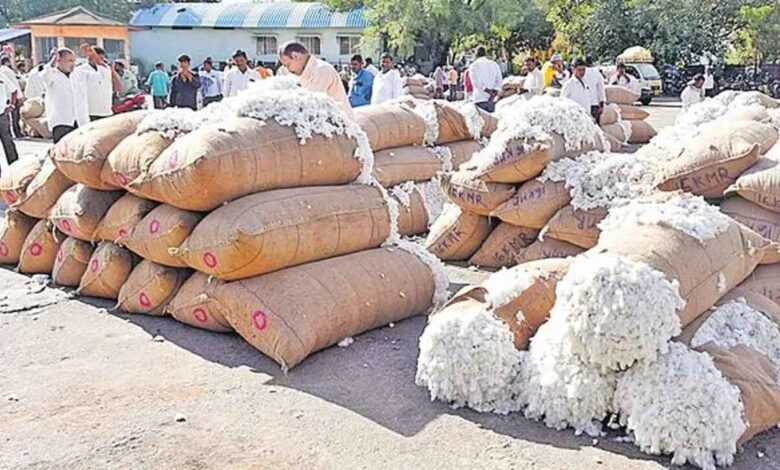
- Cotton farmers benefit from MSP gap support scheme
- MSP gap support ensures farmers income protection
- Cotton farmers get DBT compensation under PM AASHA
Cotton farmers across India may soon see relief from price fluctuations as the Centre moves to address one of their biggest concerns unstable market rates.
Despite the announcement of Minimum Support Price every year, farmers often end up selling cotton at lower prices in open markets, leading to financial losses. To tackle this issue, the government has introduced a gap support mechanism under the PM AASHA scheme.
Under this system, farmers will receive compensation if the market price falls below the announced MSP. The difference amount will be directly credited to their bank accounts through the Direct Benefit Transfer system, ensuring that farmers do not suffer losses.
The scheme is being implemented on a pilot basis in Andhra Pradesh and Telangana. The process is simple. If the MSP for cotton is fixed at 7500 per quintal and a farmer sells it for 6500 in the market, the remaining 1000 will be paid by the government directly to the farmer.

This approach allows farmers to sell their produce in the open market without worrying about price fluctuations, as their income remains protected.
Apart from financial security, the scheme is expected to reduce dependency on government procurement centers, where farmers often face long waiting times. It also offers flexibility in choosing buyers while ensuring fair returns.
To avail the benefits, farmers must register their crop details through the e crop system and maintain proper sale receipts from market yards. These records will be essential for receiving compensation.
If the pilot project proves successful, the government may extend this model to other commercial crops in the future, potentially transforming the way agricultural pricing support works in the country.