

India to Roll Out Real Time Mobile Alert System for Emergencies
New government platform will deliver instant disaster warnings directly to phones using advanced broadcast technology, aiming to improve public safety, faster communication, and multilingual alerts across regions nationwide
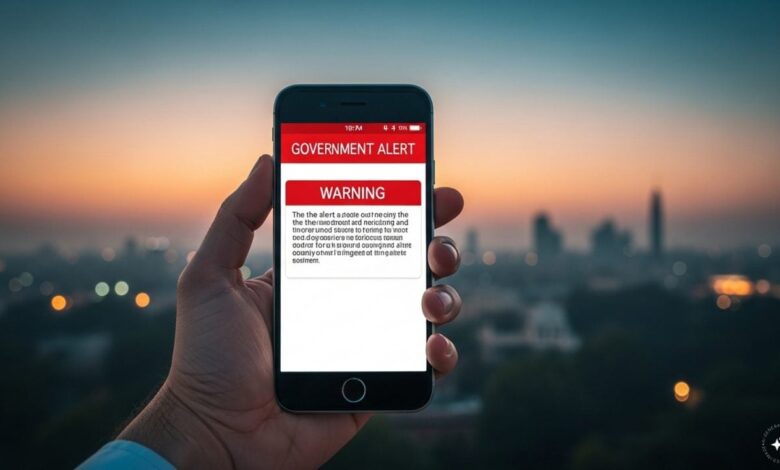
If your phone has been buzzing with repeated alert messages recently, there is no need to panic. These notifications are part of a nationwide testing exercise ahead of a major upgrade in India’s emergency communication system. The government is preparing to launch a new mobile based alert platform designed to deliver real time warnings directly to citizens.
The system is being introduced on May 2 in the presence of Amit Shah and Jyotiraditya Scindia. It has been jointly developed by the Department of Telecommunications and the National Disaster Management Authority as part of a broader effort to strengthen disaster preparedness across the country.
At the heart of this initiative is an integrated alert platform known as SACHET, created by the Centre for Development of Telematics. This indigenous system is already operational across states and union territories and has sent billions of SMS alerts in multiple Indian languages. It follows the globally recognized Common Alerting Protocol recommended by the International Telecommunication Union, ensuring compatibility with international standards.
What makes the new system different is the addition of Cell Broadcast technology alongside traditional SMS alerts. Unlike regular text messages that may be delayed during network congestion, cell broadcast messages are transmitted directly from mobile towers to all devices in a specific area. This allows authorities to send warnings to millions of users almost instantly, without relying on individual phone numbers.


The alerts are designed to be highly noticeable. They may appear as pop ups on the screen, accompanied by loud tones or vibrations, and remain visible until acknowledged. Since the system is geo targeted, only users located in affected areas such as coastal zones during a tsunami warning or regions facing severe weather will receive these notifications.
Officials say the platform will be used for a wide range of emergencies. These include natural disasters like earthquakes, lightning strikes, and tsunamis, as well as human made threats such as gas leaks or chemical accidents. Messages will not only provide early warnings but also include critical instructions, evacuation details, and safety guidelines tailored to specific locations.
As part of the rollout, a test exercise will be conducted across major cities including the Delhi NCR region. During this phase, people may receive messages in English, Hindi, or regional languages clearly marked as test communications. The message will emphasize that no action is required and is intended only to evaluate the system’s effectiveness.
Authorities have urged the public to remain calm during these tests. The goal is to ensure that in real emergencies, alerts reach people quickly and reliably, helping save lives and reduce risks through timely information.