New Coronavirus Found in Thailand Bats Raises Human Infection Concerns
Scientists in Thailand identified a new coronavirus in bats with the ability to attach to human cells, though researchers confirmed there are currently no reported human infections anywhere.
- Thailand bats coronavirus study alerts scientists
- New coronavirus shows potential human infection risk
- Sarbecovirus family virus linked to COVID research
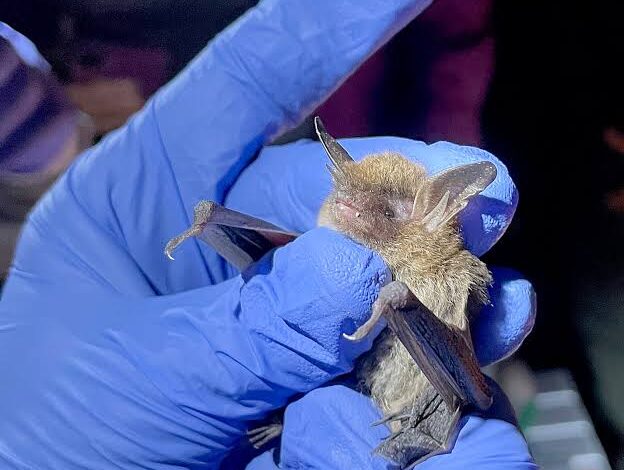
Scientists in Thailand have identified a new coronavirus strain in bats that may have the potential to infect humans in the future. The discovery was made through an international research collaboration involving the University of Tokyo and several global scientific institutions. The findings were published in the respected science journal Cell Press.
Researchers revealed that the virus belongs to the sarbecovirus family, the same group that includes SARS CoV 2, which caused the COVID 19 pandemic, and the earlier SARS outbreak virus. What has drawn scientific attention is the virus’s ability to bind with ACE2 receptors found in human cells. These receptors are known to be the same entry point used by the COVID virus to infect the human body.
Despite the discovery, scientists stressed that there is currently no evidence showing the virus has infected humans. Experts said the study should be seen as an early warning effort rather than a reason for public panic. The main aim of such research is to identify possible zoonotic threats before they become major health emergencies.
Health researchers explained that bats naturally carry many different viruses, making continuous monitoring essential for global public health. Since the COVID 19 pandemic, countries around the world have increased surveillance of viruses found in wildlife to better prepare for future outbreaks.


The study also highlighted the importance of international scientific cooperation in detecting and tracking emerging viruses. Experts believe early identification of potential threats can help governments and health agencies respond faster and reduce the risk of another global pandemic.