

Telangana Plans Home Delivery of Driving Licence and Vehicle Registration with Centralised System
Telangana government plans centralized system for driving licence and vehicle registration delivery, aiming to eliminate delays, reduce corruption and ensure direct doorstep service for lakhs of vehicle owners every year.
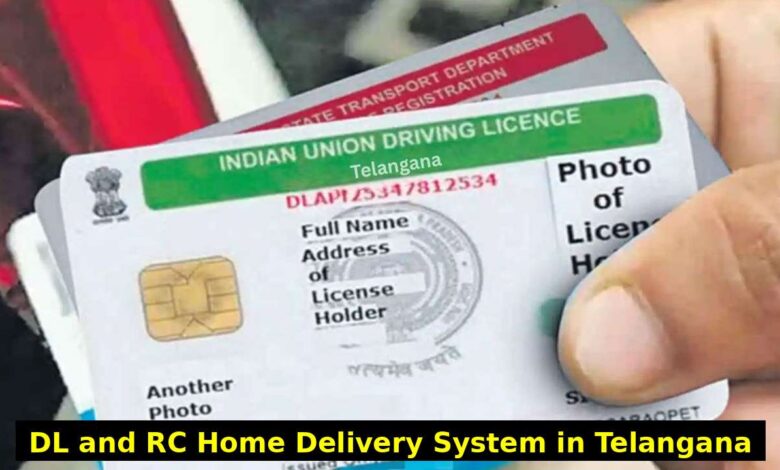
- Driving licence delivery from home under new system
- Vehicle registration cards to reach doorstep directly
- Centralised system to reduce delays and corruption
In a major relief for vehicle owners, the Telangana government is preparing to roll out a new system that will allow driving licences and vehicle registration certificates to be delivered directly to homes. The move is expected to simplify the process and eliminate the need for repeated visits to RTO offices.
The proposal focuses on introducing a centralized printing system, replacing the existing setup where cards are issued through multiple regional offices. Under the new plan, all cards will be printed at a single facility and dispatched directly to applicants through postal services.
At present, delays in receiving driving licence and registration cards have become a common issue, with applicants often waiting for weeks or even months. The involvement of middlemen has further complicated the process, leading to complaints and irregularities.
Officials believe the new system will address these concerns by ensuring faster processing and minimizing human intervention. The decision also comes in the wake of past incidents where large numbers of cards were found with agents during inspections, raising serious questions about transparency.


Telangana issues around 4.7 lakh new driving licences every year, while nearly 9.9 lakh vehicles are registered annually. This results in a total of nearly 15 lakh cards that need to be printed and delivered each year, making efficiency a key requirement.
With the centralized system in place, authorities expect quicker turnaround times and improved accountability. The transport department, which generates significant revenue through taxes and fees, is likely to utilize allocated funds to implement the new mechanism effectively.
For vehicle owners, the change could mean significant savings in both time and effort. More importantly, it is expected to reduce corruption and ensure that official documents reach citizens safely and promptly without unnecessary hurdles.


