

Tiny Mosquito Deadlier Than Lions and Snakes WHO Warns About Silent Killer Disease Threat
Health experts highlight how mosquito borne diseases like dengue malaria and chikungunya claim over one million lives annually and stress prevention through simple daily protective habits
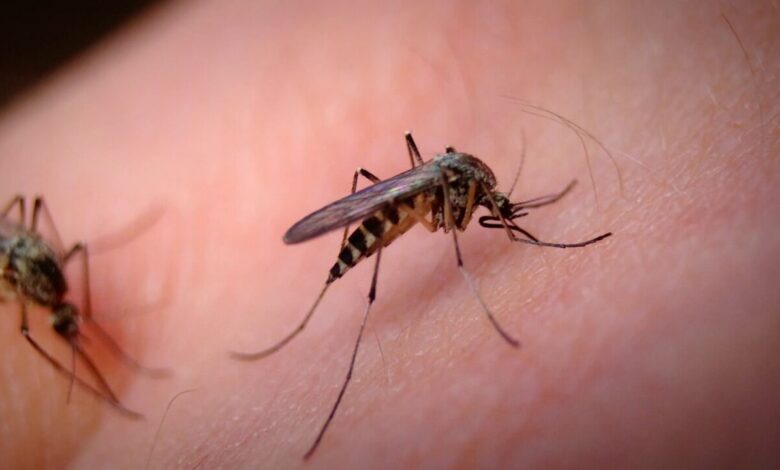
Most people naturally fear large predators like lions or venomous snakes, but global health experts are pointing to a far smaller creature as a far greater danger to human life. According to the World Health Organization, the mosquito is responsible for more deaths worldwide than any other animal. Diseases such as dengue, malaria, chikungunya, and Zika virus spread through mosquito bites and collectively claim close to one million lives every year. What makes this threat even more serious is how easily it blends into everyday environments without being noticed.
In response to rising concerns, especially around National Dengue Day, health professionals are urging people to adopt simple but consistent preventive measures. Dengue spreading mosquitoes, mainly the Aedes species, are most active during daytime hours, which makes protection throughout the day essential. Unlike many other health risks, mosquito exposure often happens in and around the home, making prevention a daily responsibility rather than an occasional effort.
One of the most important steps is eliminating stagnant water sources. Mosquitoes lay eggs in clean or dirty still water, which means even small collections of water can become breeding grounds. Items like flower pots, coolers, old tires, and broken containers should be regularly checked. Water stored in coolers should be changed at least once a week to break the breeding cycle and reduce mosquito population growth around homes.
Personal protection also plays a key role in prevention. Wearing full sleeve clothing and long pants, especially during daytime, helps reduce skin exposure to mosquito bites. Light colored, breathable fabrics are recommended as they are both comfortable and less attractive to mosquitoes. This simple habit can significantly lower the chances of infection in high risk areas.


Using mosquito repellents adds another layer of safety. Creams or sprays applied to exposed skin can help keep mosquitoes away when stepping outside or even indoors. Many households also rely on mosquito coils or liquid vaporizers to reduce mosquito presence during evening and night hours, making living spaces safer and more comfortable.
Physical barriers are equally effective in preventing mosquito entry. Installing nets on windows and doors helps block mosquitoes from entering homes, while mosquito nets used during sleep provide one of the safest chemical free protection methods. These simple additions create a strong defense, especially in areas where mosquito activity is high.
Maintaining cleanliness around the house is equally important. Proper drainage of wastewater and regular cleaning of surrounding areas help reduce breeding spaces. In cases of heavy mosquito infestation, local authorities often carry out fogging or anti larval spraying to control population spread. However, experts stress that community participation is essential for long term control.
Doctors also warn that symptoms of dengue such as high fever, severe headache, and joint pain should never be ignored. Self medication can be dangerous, and immediate medical consultation is strongly advised if such symptoms appear. Early diagnosis and timely treatment can make a critical difference in recovery and can even save lives.