

Doctors Warn People Not to Ignore These Early Signs Before a Heart Attack
Health experts say the body often gives warning signs days before a heart attack, including chest discomfort, unusual fatigue, breathing trouble, and sudden sweating that should never be ignored.
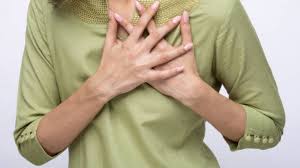
Heart attacks are no longer affecting only older people. Doctors say unhealthy eating habits, rising stress levels, lack of exercise, and changing lifestyles are increasing heart related problems even among young adults. In many recent cases, people who appeared healthy suddenly suffered cardiac arrest, creating serious concern among families and health experts.
Medical professionals explain that a heart attack may seem sudden, but the body often sends warning signals several days or even weeks in advance. These signs are commonly ignored because many people mistake them for normal tiredness or temporary health issues. Recognizing these symptoms early can help save lives through timely medical treatment.
One of the most common warning signs is discomfort in the chest. People may feel pressure, heaviness, burning, or a squeezing sensation in the middle of the chest. The pain may continue for a few minutes, disappear, and then return again after some time. Doctors say this symptom should never be taken lightly, especially if it occurs repeatedly.
Breathing difficulty is another major symptom linked to heart problems. Some people experience shortness of breath even while resting or doing very little physical activity. This happens when the heart struggles to pump blood efficiently through the body. In some cases, breathing trouble appears along with chest pain, while in others it may occur independently.

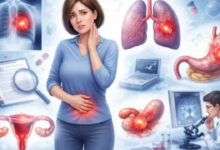
Health experts also warn that pain spreading to different body parts can indicate an approaching heart attack. The discomfort may move from the chest to the left arm, shoulders, neck, jaw, or back. Such pain patterns are often associated with reduced blood flow to the heart and require immediate medical attention.
Extreme fatigue is considered one of the silent warning signs, particularly among women. People may suddenly feel exhausted while performing routine tasks that were previously easy to handle. Persistent weakness without any clear reason should not be ignored, especially if it continues for several days.
Another important symptom is sudden cold sweating. Doctors say unusual sweating in cool weather or while sitting in an air conditioned room may signal that the heart is under stress. This happens because the heart works harder to pump blood when there are blockages in the arteries.
Some individuals may also experience dizziness, nausea, blurred vision, or even fainting. These symptoms can occur when blood pressure drops suddenly or when the brain does not receive enough oxygen rich blood from the heart. Vomiting and lightheadedness are also possible in severe cases.
Doctors strongly advise people to seek emergency medical help if they experience two or more of these symptoms together. The first hour after a heart attack, often called the golden hour, is considered critical for treatment. Quick medical attention during this period can significantly improve survival chances and reduce long term damage to the heart.