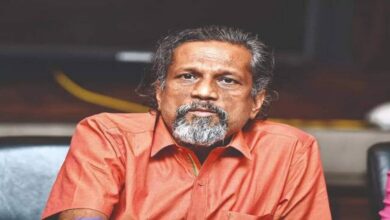

Supreme Court Allows Harish Rana Passive Euthanasia in Historic Mercy Death Verdict
In a landmark decision the Supreme Court allowed Harish Rana passive euthanasia after examining medical reports and years of legal appeals bringing national attention to mercy death debates.
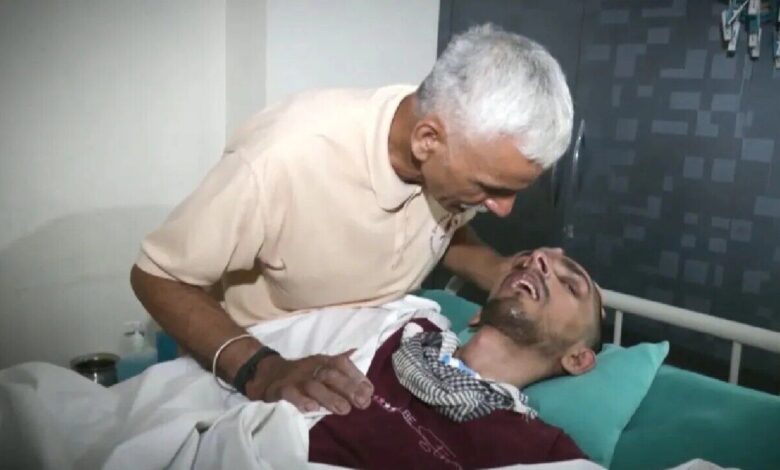
- Harish Rana passive euthanasia allowed by Supreme Court in landmark verdict.
- Harish Rana remained in permanent vegetative state for thirteen years.
- Supreme Court approved Harish Rana passive euthanasia after medical review.
In a historic and emotional ruling the Supreme Court permitted Harish Rana passive euthanasia marking one of the most significant decisions related to mercy death in India. The judgment came after years of legal struggle and careful examination of the patient’s medical condition.
Harish Rana a 31 year old man had been living in a permanent vegetative state for nearly thirteen years following a tragic accident. The Supreme Court bench consisting of Justice JB Pardiwala and Justice KV Viswanathan delivered the final verdict on March 11 2026 after reviewing the long pending case.
During the hearing the court carefully studied the opinions of two separate medical boards regarding Harish Rana’s health condition. After evaluating these medical reports the bench concluded that passive euthanasia could be permitted in his case.
Harish Rana is currently receiving treatment at the All India Institute of Medical Sciences in Delhi. The Supreme Court directed that the passive euthanasia process should be carried out according to established medical and legal procedures.


The tragic incident that changed Harish Rana’s life occurred on August 20 2013. At the time he was a civil engineering student at Chandigarh University. On the day of the Raksha Bandhan festival he accidentally fell from the fourth floor of his hostel building suffering severe head injuries.
Despite receiving medical treatment he never regained full consciousness. Doctors later confirmed that he had entered a permanent vegetative state and would remain bedridden without the ability to move or communicate.
Over the years the cost of medical care placed a heavy financial burden on his family. His parents even sold their home in Mahavir Enclave in Delhi and moved to Ghaziabad in order to support treatment and take care of their children.
With no improvement in his health and financial difficulties increasing Harish Rana’s parents approached the Delhi High Court in July 2024 seeking permission for mercy death. However the High Court rejected their request which led them to approach the Supreme Court.
Earlier in November 2024 a bench led by former Chief Justice DY Chandrachud had directed the central government to arrange treatment and accommodation for Harish Rana since he was not completely dependent on life support systems.
Following the court’s directions the central government continued to support his medical treatment. However recent medical reports indicated that his condition had deteriorated further and the chances of recovery were extremely low.
While delivering the verdict Justice JB Pardiwala reportedly became emotional while reading the medical findings. Observing the painful reality of the case the court stated that Harish Rana could not be made to continue living in such a condition indefinitely.
The Supreme Court decision allowing Harish Rana passive euthanasia has sparked widespread discussion across the country about medical ethics patient rights and the sensitive issue of mercy death in India.
Also read: Former Union Minister Kavuri Sambasiva Rao Passes Away at 82 in Hyderabad