NIMS Director Denies Kidney Racket Allegations at Hyderabad Hospital
NIMS Director Dr Beerappa clarified that recent kidney racket rumours were false and said the controversy began after an outsourcing employee allegedly cheated a patient for money.
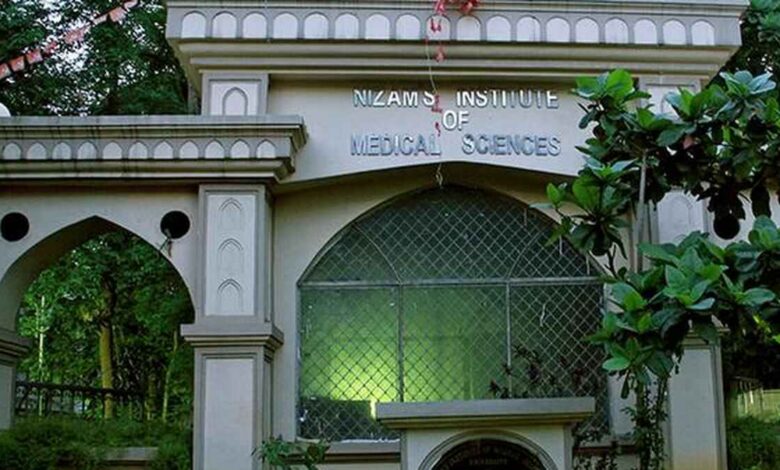
- NIMS denies kidney racket allegations
- Outsourcing employee removed from duties
- Police investigate fraud complaint at NIMS
Nizam’s Institute of Medical Sciences in Hyderabad has dismissed social media claims about an alleged kidney racket operating inside the hospital, calling the reports misleading and false.
NIMS Director Dr Beerappa said the controversy started after an outsourcing employee allegedly collected money from a patient by falsely promising to arrange a kidney related surgery. According to him, the issue involved an individual act of cheating and not any organised illegal activity inside the hospital.
The hospital administration reportedly received a written complaint regarding the employee’s actions. After conducting an initial inquiry, officials immediately removed the outsourcing staff member from duties.
Dr Beerappa stated that Panjagutta police are now investigating the matter in detail. He also made it clear that strict action would be taken if the probe finds involvement of any other individuals connected to the incident.

Responding to widespread online rumours, the NIMS Director strongly denied allegations that a kidney racket or illegal organ trade was taking place at the hospital. He said some people were intentionally spreading false information to damage the institution’s reputation.
He pointed out that NIMS has been serving thousands of poor patients every year and has earned public trust through quality healthcare services. Turning one employee’s alleged fraud into a larger kidney racket narrative, he said, was unfair and harmful.
Dr Beerappa also appealed to the public not to believe unverified social media campaigns. He urged media organisations and citizens to rely only on confirmed facts and avoid spreading rumours that could create fear and confusion among patients.