

Aadhaar Access Made Easier as UIDAI Introduces OTP Free Verification Options
New UIDAI features allow users without registered mobile numbers to access Aadhaar services using face authentication, simplifying downloads, updates, and PVC card orders without relying on OTP verification systems
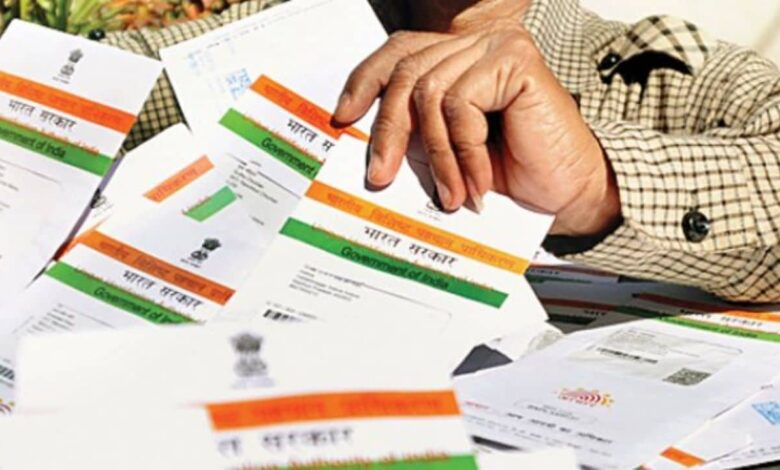
For millions of Aadhaar users who struggle with OTP based verification, a new set of services has brought relief. The Unique Identification Authority of India has rolled out alternative methods that no longer depend on a registered mobile number, making access to Aadhaar services significantly easier.
Until recently, most Aadhaar related tasks such as downloading the card or updating details required a one time password sent to a linked mobile number. This created hurdles for users who had lost their number, never linked one, or faced network issues. Now, with updated systems in place, these barriers are being removed.
A key highlight of the update is the introduction of face authentication. This method verifies identity by matching a user’s live facial scan with the Aadhaar database, removing the need for OTP entirely. It is especially useful for those who cannot access their registered mobile number but still need to complete essential tasks.
The new process is already being used in services like ordering a PVC Aadhaar card. Users can visit the official website of Unique Identification Authority of India and choose the option to order a PVC version of their Aadhaar. By entering their Aadhaar number or Virtual ID and completing basic steps, they can place the request without OTP verification. The card is then delivered directly to their address.


For those who need a digital copy immediately, the official Aadhaar mobile application offers a similar OTP free solution. After selecting the download option, users must enter their Aadhaar details and allow camera access. The app then performs a quick facial scan to confirm identity. Once verified, the Aadhaar PDF is generated instantly.
There are still a few details users should keep in mind. The downloaded file is password protected, and the password is created using a combination of the first four letters of the user’s name in capital letters along with their birth year.
Officials say these changes are aimed at improving accessibility and ensuring that no user is left out due to technical limitations. With face authentication now playing a central role, Aadhaar services are becoming more inclusive, secure, and easier to use in everyday situations.