
Microwave or OTG Choosing the Right Kitchen Appliance for Daily Cooking Needs
From quick reheating to perfect baking, understanding the difference between microwave ovens and OTG appliances can help households choose efficient, budget friendly and practical solutions for modern kitchen requirements
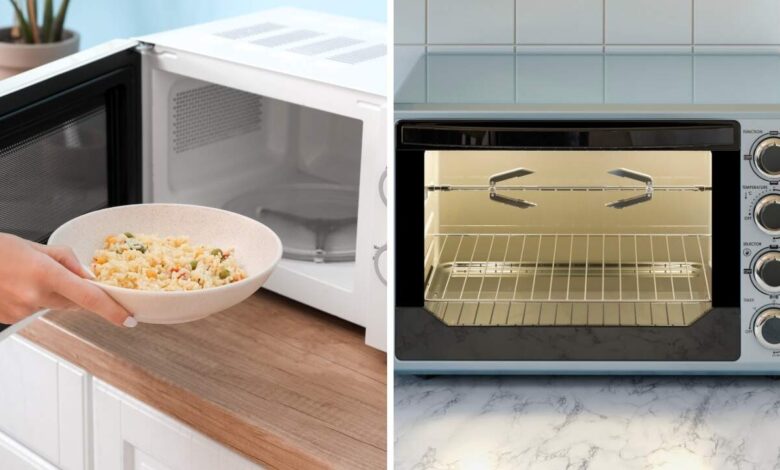
Choosing between a microwave oven and an OTG can be confusing for many households, especially with both appliances promising convenience in the kitchen. While they may look similar from the outside, their working style and purpose are quite different, which directly impacts how food is prepared.
For those who value speed above all, a microwave oven is often the go to choice. It works using electromagnetic waves that heat food from the inside by activating water molecules. This allows meals to be reheated or cooked in just a few minutes, making it ideal for busy schedules. Whether it is warming leftovers, defrosting frozen items, or preparing quick dishes, the microwave delivers efficiency with minimal effort.
On the other hand, an OTG, short for oven toaster griller, focuses on delivering better texture and taste. It uses electric heating coils to cook food gradually with hot air and direct heat. This process creates a crispy outer layer, which is essential for baking cakes, grilling vegetables, or preparing dishes like pizza and tandoori items. For home bakers and cooking enthusiasts, OTG remains a reliable choice.
Cooking time is another key difference. While a microwave can heat food in seconds, an OTG requires preheating and longer cooking durations. However, that extra time often translates into richer flavors and better texture. Similarly, the type of utensils used also varies. Microwave ovens require special heat safe glass or plastic containers, whereas OTGs can handle metal trays and a wider variety of cookware.


Modern buyers are also exploring hybrid options such as convection microwaves, which combine features of both appliances. A popular example is the Panasonic 23L Convection Microwave Oven, which offers multi functional cooking along with technologies designed for even heating and grilling. It is often preferred by small families looking for versatility in a single device.
For those who prefer traditional baking and grilling, the Faber 24L OTG Oven Toaster Griller provides strong heating performance and features like rotisserie and temperature control. Such models are especially useful for preparing restaurant style dishes at home without investing in expensive equipment.
When it comes to taste, the difference becomes more noticeable. Food prepared in a microwave tends to remain soft and moist, while OTG cooked dishes develop a golden, crispy finish. This makes OTG better suited for recipes where texture plays a key role.
Energy usage and cost also influence buying decisions. Microwave ovens are generally more expensive upfront but cook food faster, which may reduce electricity usage in short bursts. OTGs, on the other hand, are more affordable but consume more time and energy during longer cooking sessions.
Ultimately, the choice depends on individual needs. A microwave is best suited for quick meals and everyday convenience, while an OTG is ideal for those who enjoy baking and slow cooking. Understanding these differences can help consumers make a practical and informed decision for their kitchen.