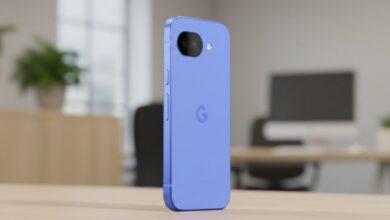
EU Mandates USB C Charging Port for Laptops, New Rule Now in Effect
Common charger policy expands to laptops, aiming to reduce electronic waste, improve user convenience, and standardize charging solutions across devices sold within the European Union market
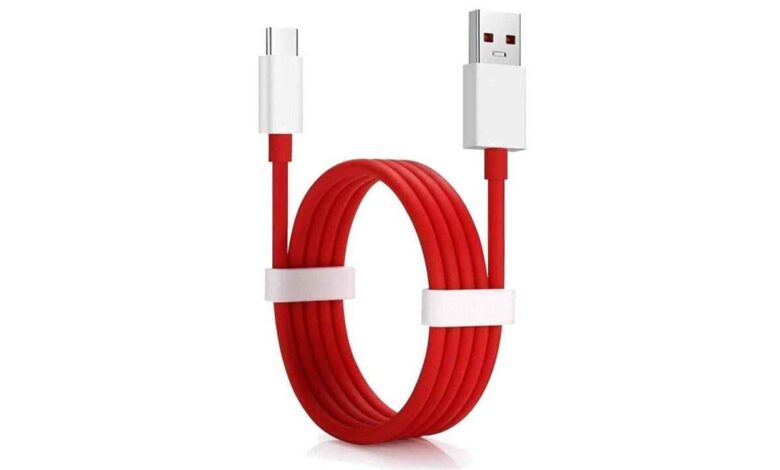
The European Union has officially extended its common charging policy to include laptops, making USB C charging support mandatory for all new models sold in the region. The move comes after a transition period granted to manufacturers, and marks a major step toward standardizing charging technology across consumer electronics.
The rule stems from the European Commission’s Directive 2022 2380, which amended existing radio equipment regulations to enforce a unified charging solution. While the policy already covered a wide range of devices since December 2024, laptops were given additional time due to their higher power requirements and necessary technical adjustments. That extension expired on April 28, 2026, bringing laptops fully under the regulation.
Under the updated framework, devices such as smartphones, tablets, digital cameras, headphones, gaming consoles, portable speakers, e readers, keyboards, microphones, navigation systems, and earbuds have already shifted to USB C charging. With laptops now included, the EU aims to create a seamless charging ecosystem where consumers can rely on a single cable across multiple gadgets.
Officials say the decision is designed to simplify everyday tech use while addressing environmental concerns. By reducing the number of chargers needed per household, the policy is expected to cut down on electronic waste and lower costs for consumers. Buyers may also have the option to purchase devices without bundled chargers if they already own compatible ones.


However, compatibility remains a practical consideration. Experts note that while USB C is now standard, not all cables and chargers deliver the same power output. High performance devices such as laptops may still require specific chargers to function efficiently, meaning consumers should verify specifications before use.
The policy has not been without controversy. Apple was among the most vocal critics during the proposal stage. The company argued that enforcing a single connector type could hinder innovation and limit technological advancement. It also raised concerns that such regulations might inadvertently increase electronic waste by making existing accessories obsolete.
Despite its opposition, Apple ultimately complied with the regulation. After years of relying on its proprietary Lightning connector, the company transitioned to USB C with the launch of its iPhone 15 lineup, aligning its products with the EU’s requirements.
The EU, however, has maintained that the benefits outweigh the drawbacks. Regulators insist the common charger initiative will deliver long term gains for both consumers and the environment, even as manufacturers adapt to the new standard.