

Microsoft AI Chief Warns Office Jobs Could Face Massive Disruption Within 18 Months
Rapid advances in artificial intelligence are raising concerns across industries as experts warn that automation may reshape office work faster than expected affecting millions of professionals around the world soon
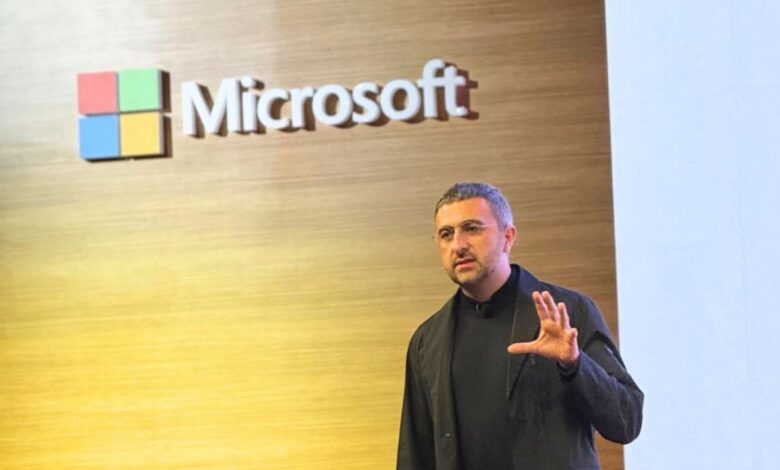
The growing influence of artificial intelligence is once again at the center of global debate after a strong warning from Microsoft AI chief Mustafa Suleyman. According to him, the next 12 to 18 months could bring dramatic changes to the professional workforce, especially for employees working in office based and computer driven roles.
Suleyman stated that AI systems are advancing so quickly that they may soon perform many white collar tasks at a level similar to humans. He believes professions such as law, accounting, project management and marketing are among the most vulnerable as automation tools continue to improve their ability to analyze documents, process information and complete complex digital tasks.
The statement has triggered concern among professionals across different industries. Many employees now fear that the rapid adoption of AI tools could reduce hiring opportunities or even replace existing roles in the near future. At the same time, technology experts say the transition may not happen overnight, but the direction of change is becoming increasingly clear.
Companies around the world are already integrating AI into daily operations. From customer support and content creation to coding assistance and data analysis, businesses are relying more heavily on intelligent software to improve productivity and reduce operational costs. This shift is especially visible in large technology firms that are investing billions of dollars into AI development and infrastructure.


According to Suleyman, AI is no longer limited to handling basic repetitive work. He explained that modern systems are becoming capable of reading reports, understanding patterns, generating summaries and even assisting in decision making processes. Such improvements are encouraging corporations to automate tasks that were previously handled only by trained professionals.
The growing capabilities of AI have also sparked larger questions about the future of employment. While some experts warn about large scale job disruption, others argue that technology will transform jobs rather than eliminate them completely. They believe human creativity, emotional understanding and strategic thinking will continue to play an important role in many professions.
Still, industries that rely heavily on routine digital work are expected to feel the strongest impact first. Sectors like administration, customer service, content management and software support are already seeing rapid changes as AI tools become more accessible and affordable for businesses of all sizes.
Major technology companies are openly preparing for this transition. Microsoft, Google and Meta have all increased spending on AI research and advanced computing systems. Microsoft CEO Satya Nadella has previously acknowledged that AI is already assisting the company in coding and internal productivity tasks. Similar comments have also come from leaders across the tech industry who view AI as the next major technological revolution.
Despite the excitement surrounding AI, several researchers caution that the technology still has limitations. Human supervision remains essential in many professional fields where judgment, ethics and real world understanding matter deeply. Errors generated by AI systems continue to raise concerns in legal, financial and healthcare related work.
Even with those limitations, the pace of development has surprised many analysts. The conversation is no longer about whether AI will affect office jobs, but how quickly the impact will spread across industries. For millions of workers, the growing role of artificial intelligence has become both an opportunity and a warning sign.
As companies race to adapt to the AI era, professionals are also being encouraged to upgrade their skills and focus on areas where human expertise remains valuable. Experts believe the future workforce may increasingly require a combination of technical knowledge, creativity and adaptability to stay relevant in an AI driven economy.