Governor refusal to read joint session address sparks constitutional row in Karnataka
Minister Priyank Kharge accuses the Governor of violating constitutional duties by refusing to read the full joint session address arguing Articles 176 and 163 mandate acting on cabinet advice constitution
- Governor joint session dispute
- Constitutional violation claim
- Priyank Kharge criticism
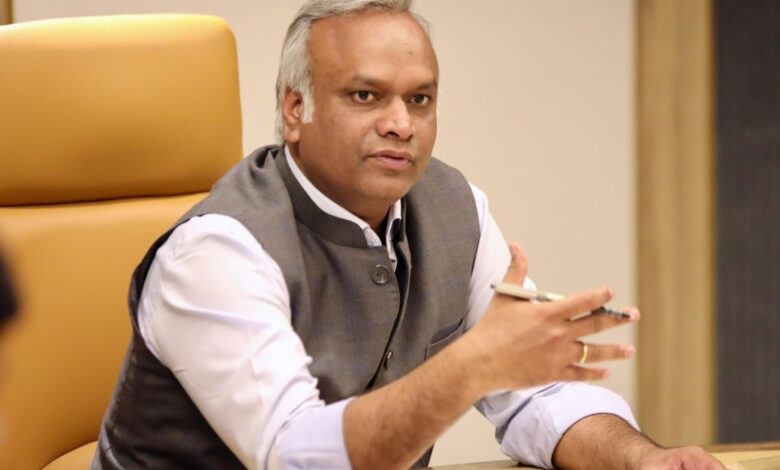
Bengaluru, Karnataka: A political and constitutional debate has erupted in Karnataka after the Governor declined to read the full address to the joint session of the legislature. Rural Development Minister Priyank Kharge described the move as deeply unfortunate and contrary to established constitutional norms.
Kharge argued that the address delivered at the first session of the year is not a personal statement of the Governor but a formal policy document of the elected government. Prepared by the cabinet, the speech reflects official positions and priorities and must be presented in the House as advised.
According to the minister, refusing to read the complete address amounts to a violation of Article 176, which mandates the Governor to address the legislature. He further said the action goes against Article 163, which requires the Governor to act on the aid and advice of the council of ministers.
The government maintains that the contents of the address are backed by facts and clearly reflect Karnataka’s official stand on several long standing issues. These include concerns over inadequate central funding, uneven sharing of tax revenue and the weakening of the federal structure, matters repeatedly raised by the Chief Minister with the Prime Minister.


While asserting respect for constitutional propriety and the dignity of the Governor’s office, the state government has said limited language changes could be discussed if there are genuine concerns. However, Kharge stressed that demanding the removal of entire sections is unacceptable and goes against the interests of the people of Karnataka.
In a detailed post on social media, Kharge said the episode raises serious questions about neutrality and the constitutional role of the Governor’s office. He warned that such selective intervention risks undermining democratic conventions and blurring the line between constitutional duty and political discretion.