

Free Bus Scheme Boosts RTC Bus Occupancy to 98 Percent in Telangana
Telangana free bus scheme drives RTC bus occupancy to 98 percent with millions of women benefiting through increased travel access employment opportunities and improved financial support for transport services.
- Free bus scheme raises RTC bus occupancy to 98 percent.
- Telangana free bus scheme benefits women commuters.
- RTC bus occupancy improves with free bus schem.
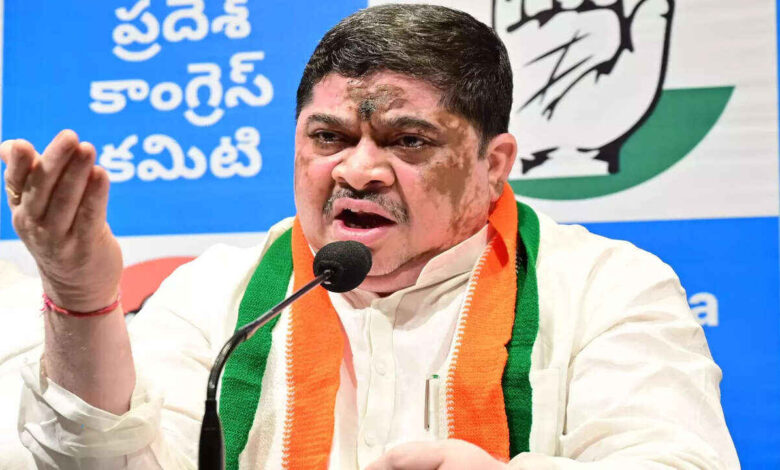
Hyderabad: The Telangana government’s free bus scheme for women has significantly increased RTC bus occupancy, with Transport Minister Ponnam Prabhakar stating that usage has risen sharply to nearly full capacity.
Addressing the Legislative Council, the minister highlighted that the initiative has transformed public transport usage, pushing occupancy levels from around sixty nine percent earlier to approximately ninety eight percent now. He noted that the scheme has become a crucial support system for women across the state.
Since its launch shortly after the new government assumed office, the scheme has enabled a massive number of free journeys for women. Officials said that daily ridership by women alone is reaching close to sixty lakh, reflecting the widespread adoption of the initiative.
The minister emphasized that the scheme has not only improved mobility but also opened up employment opportunities for women by allowing them to travel longer distances with ease. He also dismissed claims circulating on social media that question the effectiveness of the program.


To sustain the initiative, the government has allocated substantial financial support to the state transport corporation. This has also helped stabilize the financial position of the organization, which was previously facing significant liabilities.
In addition, steps have been taken to reduce pending dues and strengthen operational efficiency. Authorities believe these measures are gradually improving the overall functioning of the transport system.
Looking ahead, the government is also planning to introduce automated testing stations across district headquarters. These facilities aim to enhance transparency and efficiency in services related to driving licenses by reducing manual intervention.
Officials stated that the new infrastructure will be rolled out in phases, marking another step toward modernizing transport services in the state while maintaining public trust.


