

Telangana MSME Policy Boosts Small Industries with Revenue Based Financing and New Industrial Parks
Telangana MSME policy introduces revenue based financing expands subsidies and sets up industrial parks and facilities to support small industries startups women entrepreneurs and inclusive economic growth.
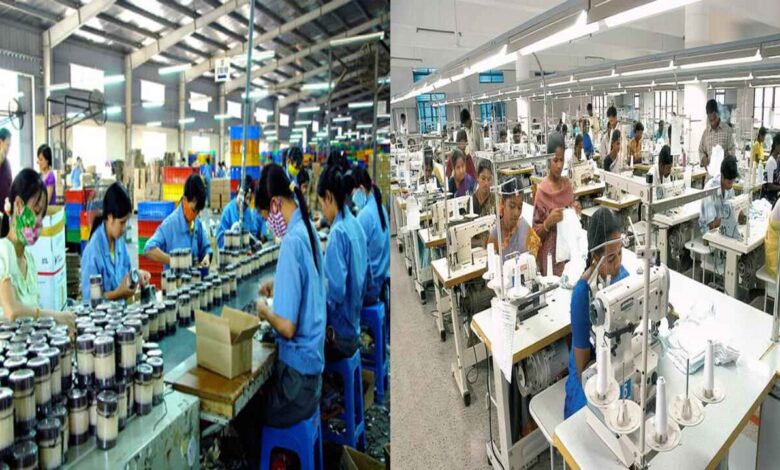
- Telangana MSME policy introduces revenue based financing for small industries
- MSME policy boosts industrial parks subsidies and startup support
- Telangana MSME policy supports women SC ST entrepreneurs
In a major push to strengthen small industries, the Telangana government has unveiled a new MSME policy that aims to transform access to finance and infrastructure for entrepreneurs across the state.
One of the key highlights of the policy is the introduction of revenue based financing, which allows MSMEs to secure loans based on their future sales potential instead of traditional collateral. This move is expected to benefit startups and small businesses that often struggle to provide assets like land or property for bank loans.
The policy is designed to reduce financial barriers while encouraging innovation and entrepreneurship. By focusing on business potential and market opportunities, the government hopes to create a more inclusive and transparent lending ecosystem, also opening doors for fintech driven solutions.
To support industrial growth, the government has planned the development of ten industrial parks between the Outer Ring Road and Regional Ring Road. Out of these, five parks will be exclusively dedicated to MSMEs, including one for women led enterprises and another for innovative startups with modern infrastructure.

These parks will offer integrated facilities such as hostels childcare centers research labs and quality testing units, making it easier for businesses to operate efficiently from a single location.
In addition, the government plans to establish one flatted factory in each of the 119 assembly constituencies. These shared industrial spaces will provide essential infrastructure like power water machinery space and security, helping small businesses start operations with lower investment.
The policy also enhances support for SC and ST entrepreneurs under the T Pride scheme. Subsidies for land purchase and investment have been increased significantly, reducing financial pressure and encouraging participation from underrepresented communities. Additional incentives have also been extended to women entrepreneurs.
Further measures include the creation of common facility centers in key districts to provide affordable testing services, a technology fund to support modern machinery, and full subsidy on patent registration costs to promote innovation.
The government also plans to strengthen market linkages by encouraging large industries to source products from local MSMEs, thereby boosting domestic demand and supply chains.
Experts believe this policy could become a game changer for Telangana’s industrial ecosystem by promoting employment generation exports and grassroots level entrepreneurship. With a strong focus on inclusivity and infrastructure, the MSME sector is expected to witness significant growth in the coming years.