
Fenugreek in Summer How to Consume It Safely With Cooling Foods for Maximum Health Benefits
Fenugreek seeds offer powerful health benefits like blood sugar control and digestion support but in hot weather they must be consumed correctly with cooling ingredients to avoid side effects and heat related discomfort
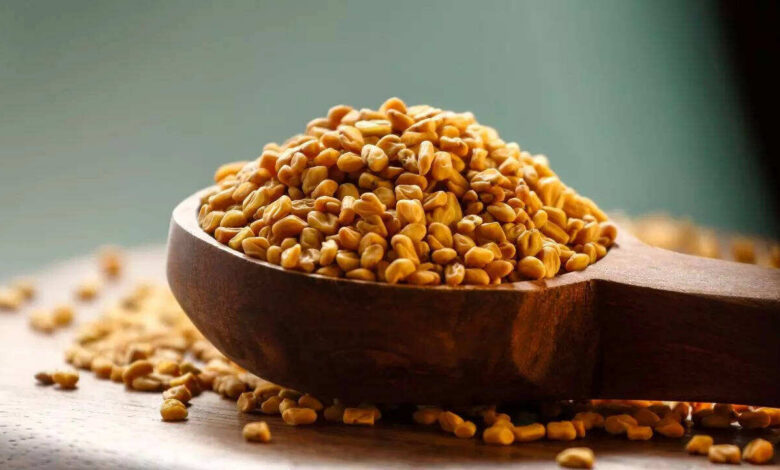
Fenugreek seeds are a common presence in most Indian kitchens, often overlooked as just a seasoning ingredient. Yet, these tiny seeds carry strong medicinal value, known for supporting digestion, controlling blood sugar levels, and even helping with weight management. Despite these benefits, health experts warn that summer is not the ideal time to consume them in a careless or raw form due to their naturally heating effect on the body.
In Ayurveda, fenugreek is valued for balancing certain body energies, but during hot weather the body already tends to accumulate excess internal heat. If fenugreek is consumed without proper preparation in such conditions, it may lead to acidity, stomach irritation, or a burning sensation. The good news is that the same seeds can become cooling and highly beneficial when prepared in the right way.
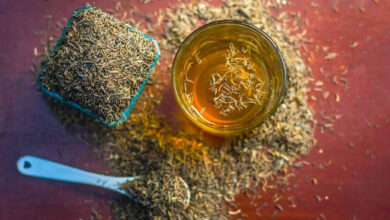
One of the most effective traditional methods is soaking fenugreek seeds overnight. A teaspoon of seeds left in a glass of water for several hours softens their intensity. Drinking this water in the morning and chewing the soaked seeds helps the body digest them better while reducing their heating nature. This simple habit is widely followed in many households for its gentle yet effective benefits.
Another popular approach is combining fenugreek powder with curd or buttermilk. Roasted and powdered seeds mixed into chilled curd or buttermilk not only balances the heat but also improves digestion. The cooling nature of these dairy products helps reduce stomach discomfort and gas issues, making it a practical summer remedy for daily use.


Experts also advise timing when it comes to consumption. Taking fenugreek on an empty stomach during peak summer is not recommended, especially for people with diabetes. In some cases, it may cause sudden drops in blood sugar levels, leading to dizziness or fatigue. Consuming it after meals in controlled amounts is considered a safer option.
Certain groups need to be extra careful. Pregnant women, breastfeeding mothers, and individuals with low blood pressure should consult a medical professional before including fenugreek in their routine, especially during extreme heat conditions.
The key takeaway is balance and preparation. Fenugreek is not harmful on its own, but its effects depend entirely on how it is consumed. When paired with cooling foods like curd or taken in soaked form, it transforms into a gentle health booster even in harsh summer months. Moderation and proper method can help unlock its full benefits without unwanted side effects.