

Plant Based Diet Linked to Lower Cancer Risk Large Global Study Finds Strong Evidence Across 1.8 Million People
A massive international study analyzing dietary habits over years suggests vegetarian eating patterns may significantly reduce risk of several cancers while highlighting the need for balanced nutrition and awareness of deficiencies
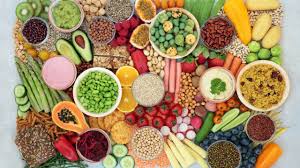
A large scale international study has once again brought plant based eating into the spotlight, suggesting that diet may play a much bigger role in long term health than many people realize. Researchers analyzed data from nearly 1.8 million individuals across different countries and found clear patterns linking vegetarian diets with a reduced risk of several serious cancers. The findings are now being widely discussed in medical and nutrition circles.
The research followed participants from regions including the United States, United Kingdom, and India, tracking their eating habits over nearly 16 years. Individuals were grouped based on dietary patterns such as regular meat eaters, fish eaters, poultry consumers, vegetarians, and strict vegans. Over time, a noticeable trend emerged showing that those who avoided meat had lower chances of developing certain types of cancer compared to others.
According to the study published in the British Journal of Cancer, people following vegetarian diets showed up to a 31 percent lower risk of multiple myeloma. Kidney cancer risk was reduced by about 28 percent, while pancreatic cancer cases were nearly 21 percent lower. Researchers believe this protective effect is largely due to higher intake of fiber, antioxidants, and plant compounds that reduce inflammation and help protect healthy cells from damage.
Experts from Oxford Population Health noted that cutting down on red and processed meat may also reduce exposure to compounds linked with tumor growth. At the same time, diets rich in fruits, vegetables, pulses, and whole grains appear to support better immunity and overall metabolic health. Even people who consumed fish or poultry instead of red meat showed some benefits, but fully plant based diets appeared to offer the strongest protection in several categories.


However, the study also highlights that vegetarian diets are not automatically risk free. Researchers observed a slightly higher risk of one type of esophageal cancer among vegetarians, which may be linked to low vitamin B12 levels in some individuals. Vegan diets, if not properly planned, may also lead to calcium deficiency, which could increase risks related to colorectal health over time. Experts stress that balance and proper nutrition planning are essential.
Health specialists also caution against assuming that vegetarian automatically means healthy. Diets high in fried foods or refined carbohydrates can still lead to obesity, which in turn increases cancer risk. Maintaining a nutrient rich and well balanced diet is just as important as choosing plant based foods.
In countries like India, where a significant portion of the population already follows vegetarian eating habits, these findings carry special importance. Traditional diets rich in vegetables, lentils, and spices may already provide a strong foundation for disease prevention. But experts emphasize the need for awareness about nutrients like vitamin B12 and calcium, along with regular health checks to maintain long term well being.
The study ultimately suggests that food choices play a meaningful role in shaping long term health outcomes. While no diet can guarantee complete protection, adopting balanced plant focused eating habits may help reduce the risk of several life threatening diseases when combined with a healthy lifestyle.