

Telangana HC: Corruption Case Continues Against Govt Officer After 14 Years
Telangana High Court refuses to quash corruption case against former government officer stating administrative delay in sanction does not invalidate prosecution and directs trial to be completed quickly.
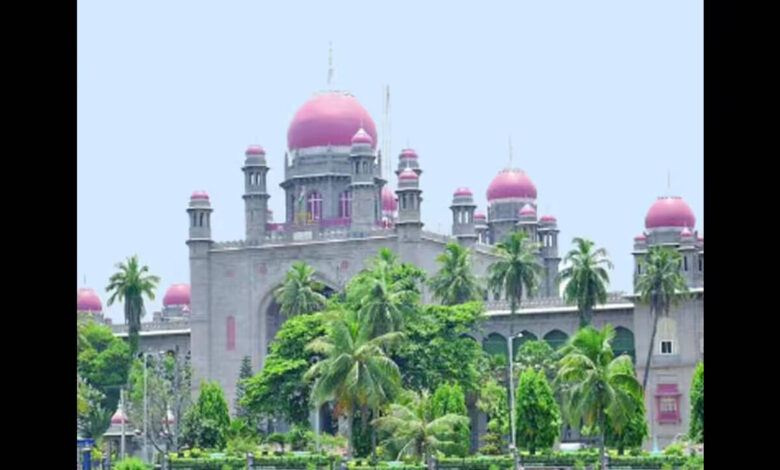
- Telangana HC allows corruption case to continue after 14 years.
- Delay in sanction does not cancel criminal proceedings.
- Court orders speedy trial in long pending case.
In a significant ruling, the Telangana High Court has refused to dismiss a long pending corruption case against a former government officer, making it clear that administrative delays cannot be used to escape prosecution. The court directed that the trial be completed at the earliest, noting that the matter has already been delayed for years.
The case dates back to 2010 when the Anti Corruption Bureau conducted raids on the properties of Azmeera Kailas, who was serving as an Assistant Divisional Engineer in the power distribution department. Investigators found that between 2002 and 2010, he had accumulated assets far beyond his known sources of income, including unaccounted cash amounting to Rs 47.03 lakh.
Although the ACB filed a formal complaint in 2014, the required government sanction to prosecute was granted only in October 2024. During this period, the agency reportedly sent multiple reminders seeking approval, attributing the delay to procedural lapses within the government system.
Challenging the case, the accused approached the High Court arguing that the sanction was issued beyond the legally prescribed time limit and lacked proper consideration. He also pointed out that he had been cleared in a departmental inquiry, claiming that the criminal case should therefore be dropped.


However, the High Court rejected these arguments, observing that delays in granting sanction do not invalidate criminal proceedings. The court questioned why the accused had not challenged the delay earlier and emphasized that such administrative issues cannot become a shield against prosecution.
On the issue of departmental clearance, the court noted that the relief given to the officer was based on technical grounds and could not override the findings of the criminal investigation. It clarified that internal inquiries and criminal cases operate independently.
Stressing the need for timely justice, the High Court ordered that the trial should proceed without further delay. The ruling reinforces the principle that prolonged administrative processes should not derail corruption cases or deny accountability.


